Identify what you want to change
Water Filtration begins with understanding the problem. Do you want better tasting drinking water at the kitchen sink, or are you considering treatment for water entering the entire home? Those goals can call for different equipment. Tell us whether the property uses public water or a private well and describe any recent change you have noticed.
For public water, the utility’s water quality report can provide useful background. Testing may be appropriate for a specific concern. Taste and appearance alone do not establish whether water is safe or which treatment is needed. Select equipment for the substances it is designed to address.
One tap or the whole home?
A point of use system treats water for a particular outlet, often where drinking and cooking water are used. A whole home system treats water at the entry point. The choice depends on the concern, the desired coverage, and the installation space.
Different filters have different capabilities. Ask for the product’s documented reduction claims and the conditions those claims depend on. A filter chosen for taste should not be presented as treatment for every possible contaminant.
- Clarify the water source and treatment goal
- Discuss testing or existing water quality information
- Compare a kitchen system with whole home equipment
- Plan cartridge changes, service access, and ongoing care
Include installation and maintenance in the comparison
The equipment needs a suitable location and accessible connections. Some systems require additional plumbing arrangements or space for periodic servicing. Ask what the proposed installation includes and whether other work is needed at the property.
Replacement filters and other service items are part of ownership. Review the manufacturer’s schedule, the availability of replacement components, and how the system will be maintained when the home is vacant. A system that is difficult to service may not suit a seasonal residence.
Filtration and softening are different decisions
A water softener addresses hardness. It should not be treated as an all purpose answer to taste, odor, germs, or every chemical concern. Some properties may benefit from more than one type of treatment, but each stage should have a clear purpose.
Contact Ultra Plumbing to discuss water filtration in Fort Myers. Share your water source, the concern you want to address, and any test results or existing equipment details. That gives the conversation a practical starting point before a system is recommended.
Water filtration starts with a defined goal
Write down the result you want before comparing products. Better tasting kitchen water is a different goal from addressing a documented substance. Separate your preferences from concerns that need testing or professional interpretation. This keeps the conversation focused and helps avoid buying equipment that does not answer your actual question.
If several people use the home, discuss their priorities together. One person may care most about drinking water, while another wants fewer visible deposits. Those may lead to different treatment discussions. A clear list allows you to compare the purpose of each proposed component instead of choosing an unnecessarily complicated package.
Compare water filtration proposals by their purpose
Ask what each stage of the proposed system is intended to do. A proposal with several housings or tanks should still be understandable. Confirm which outlets receive treated water and whether any are left outside the arrangement. That detail matters when the goal involves a particular sink, appliance, or part of the house.
Next, review the equipment information with the installation scope. Confirm who supplies the components and which connections need modification. If you already own a system, provide its model and service history. Reusing existing equipment should depend on its condition and suitability rather than assuming every component remains appropriate.
Plan water filtration around available space
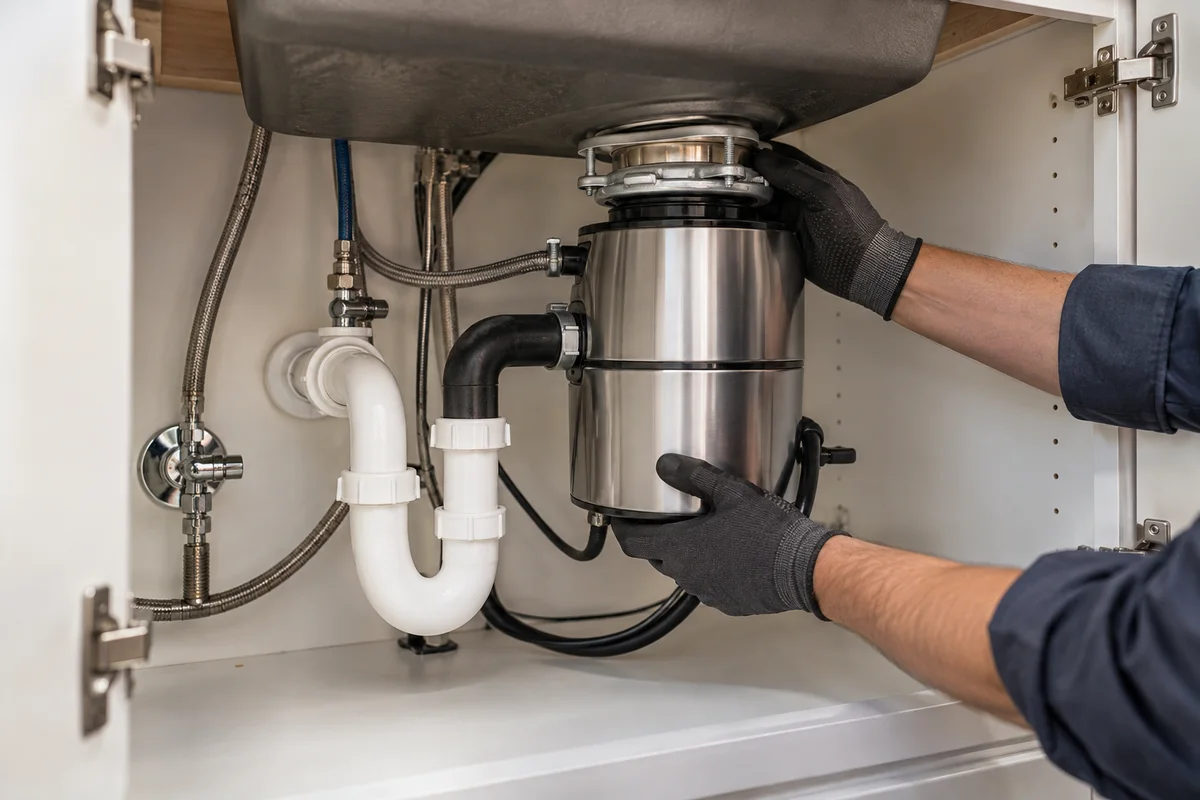
Measure the practical constraints through a site assessment before selecting the installation location. An under sink cabinet may also need to hold a disposal and other plumbing. A utility area may have limited access. The arrangement should leave room for normal use and for the service tasks associated with the selected equipment.
Consider how replacement components will be reached and removed. A system can fit in a space yet remain awkward to maintain. Ask the installer to explain the service access. This is particularly useful in condos, compact kitchens, and seasonal homes where someone else may look after the equipment.
Keep maintenance understandable
Request the exact product documents and a clear list of the owner’s responsibilities. Record which replacement components belong to the system. Similar looking cartridges may differ, so identifying information matters. Decide where you will keep those records and who will track the service schedule for the property.
If you are away for part of the year, discuss that pattern before installation. Follow the product’s instructions for periods without normal use. A caretaker should know who to contact if something changes. Clear ownership arrangements help prevent maintenance from being overlooked between seasonal visits.
Revisit the goal when conditions change
A new taste, odor, or appearance should prompt a fresh discussion rather than an automatic equipment purchase. Note when the change began and whether neighbors or only one fixture are affected. Contact the appropriate utility or qualified professional when the concern involves the water supply. Do not assume an existing filter addresses every new issue.
Finally, keep the original goal and equipment specifications with your property records. That makes later decisions easier. If you remodel the kitchen, change appliances, or replace treatment equipment, you can explain what the system was intended to accomplish and which parts of the arrangement need review.
For example, a separate drinking water tap needs an appropriate place at the sink. Discuss that opening before modifying a countertop. Also confirm whether the proposed system supplies only that tap or another connection. This keeps the installation aligned with the intended use and avoids assuming every kitchen outlet will receive the same treated water.
Common questions
Does every Fort Myers home need a filter?
No. The decision depends on the water, your concerns, and your preferences. Identify the goal before choosing equipment instead of assuming a filter is necessary for every property.
Will a filter also soften my water?
Not necessarily. Filtration and softening address different issues. Review the capabilities of the specific equipment being proposed.
Can you recommend a system from taste or smell alone?
Those observations are useful background, but they do not identify every substance in the water. Testing and product specifications may be needed to match equipment to the concern.
Explore more plumbing help
Every home has different needs. These related pages can help you plan your next step.