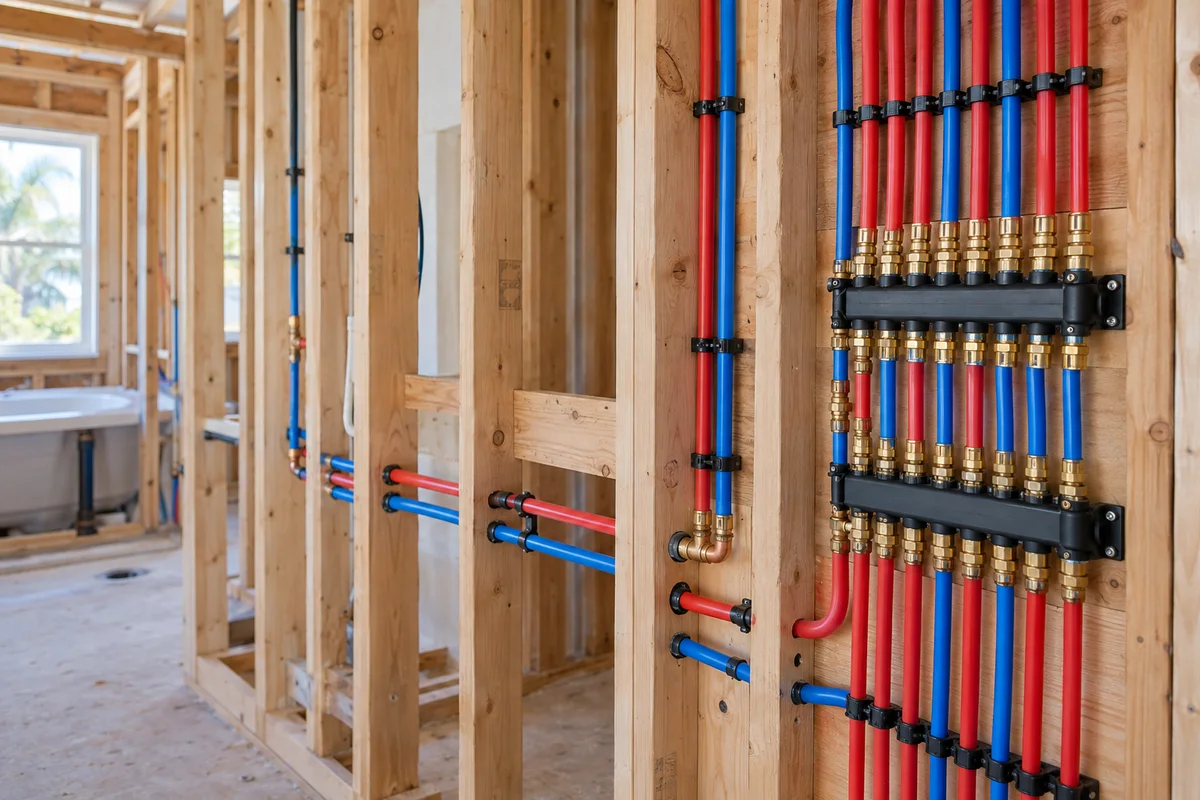

Know why replacement is being considered
Repeated leaks, a pattern of failing connections, and documented pipe deterioration can lead to a repiping discussion. Low pressure or discolored water can also prompt an investigation, but neither proves that replacement is needed. The first step is to identify the cause and the portions of the system involved.
Bring any repair history you have. Dates, locations, and materials from earlier work can help show whether problems are isolated or recurring across the home. In a renovated property, the water system may include several generations of piping.
Define what the repipe includes
A proposal should explain whether it covers hot and cold water supply piping, which fixtures connect to the new system, and what existing lines remain. Water supply repiping is different from replacing drains or sewer lines. Make that distinction clear before comparing prices or scopes.
Ask about material options, routing, shutoff valves, access openings, and how the new system will be checked. The choice of piping should suit the project and applicable requirements. It should not rely on a promise that one material is best for every home.
- Review the history and condition of water supply piping
- Compare repair, partial replacement, and a whole home repipe
- Identify fixture connections and planned pipe routes
- Clarify access, inspections, and finish restoration
Plan around life in the home
Discuss when water will be unavailable and which rooms need access. Cabinets, closets, attic routes, or wall openings may be involved depending on the design. Knowing those details helps you prepare belongings and plan around work, school, guests, or a seasonal stay.
Ask who handles patching, painting, tile, and other finish work. If a condo association or property manager must approve the project, include that step early. Shared piping and building shutoff rules can change the planning process.
Compare proposals by scope
Two repiping proposals may cover different fixtures, valve replacements, access work, or restoration. Compare the included work before comparing the total. Ask how hidden conditions would be documented and handled if the plan needs to change after access is opened.
Contact Ultra Plumbing to discuss repiping in Fort Myers. Share the reason you are considering replacement, the number of bathrooms, and any known pipe material. An assessment can then guide a more useful conversation about your options.
Repiping starts with a clear system boundary
First, identify whether the discussion concerns the water supply system, the drainage system, or both. The word repiping can mean different things in different proposals. Ask the provider to describe the included piping and fixture connections plainly. This prevents a supply replacement from being mistaken for a complete plumbing overhaul.
Next, review any portions installed during earlier renovations. An addition, remodeled bathroom, or previous leak repair may have changed part of the network. That history can influence the proposed scope. Available plans help, but the actual connections and accessible conditions still deserve attention.
Compare repiping proposals by the work included
Check the listed fixtures, shutoff valves, pipe routes, and access assumptions. One proposal may include more connection work than another. Also compare testing, inspections, and finish responsibilities. A lower total does not necessarily describe the same project, so line up the scopes before making a decision.
Ask how changes will be handled if concealed conditions differ from expectations. The process should identify the finding, the proposed response, and the effect on the job. You should understand what requires another approval. Keeping this clear is especially useful when several trades are involved in restoration.
Plan water interruptions during repiping
Discuss which parts of the home need access and when water may be unavailable. A household with one bathroom has different practical needs from a vacant renovation. Tell the project contact about occupants, pets, and work routines. Those details help shape the scheduling conversation without assuming a universal project duration.
For a seasonal residence, decide who will meet the provider and approve changes while you are away. A caretaker can help with access, but their authority should be explicit. Keep one decision maker available. That makes it easier to coordinate questions without conflicting instructions from several people.
Think about future access
The new route should be discussed in relation to the home and future servicing. Ask where key shutoffs and connections will be located. Understand any areas that remain concealed or difficult to reach. A route that looks simple on a drawing still needs to work with the actual structure.
If you expect another remodel, share those plans now. A future kitchen, bathroom, or laundry change may affect the decisions worth discussing during replacement. This does not mean adding work without a reason. It means considering known plans before finalizing a route that may be expensive to change later.
Know what to keep after the project
Retain the final scope, the materials information provided, and any available route documentation. These records help future service providers understand the system. Keep inspection and warranty documents with them where applicable. Ask for an explanation of the new shutoff arrangement before the project contact leaves.
If a fixture behaves differently after the work, describe the symptom and its location. Do not assume every issue comes from the new piping or that every older fixture should be replaced. A focused follow up can establish the cause. Clear records and specific observations make that conversation more useful.
For example, an outdoor faucet or laundry connection may sit outside the rooms discussed during an initial walkthrough. Ask whether those outlets belong in the proposal. Also identify any detached structure with its own water connection. A clear fixture list helps define the boundary of the project and makes it easier to understand which existing piping will remain.
Common questions
Does one leak mean I need to repipe the house?
No. A single damaged part may call for a focused repair. A broader replacement should be supported by the condition of the system and the pattern of failures.
Does repiping include the sewer line?
Not necessarily. Water supply piping and drain piping are different systems. Ask the proposal to identify precisely what will be replaced and what will remain.
Can I stay in the home during the project?
Discuss the anticipated water interruptions, access needs, and work areas before scheduling. Whether remaining in the home is practical depends on the project and your household needs.
Explore more plumbing help
Every home has different needs. These related pages can help you plan your next step.