Know what needs repair
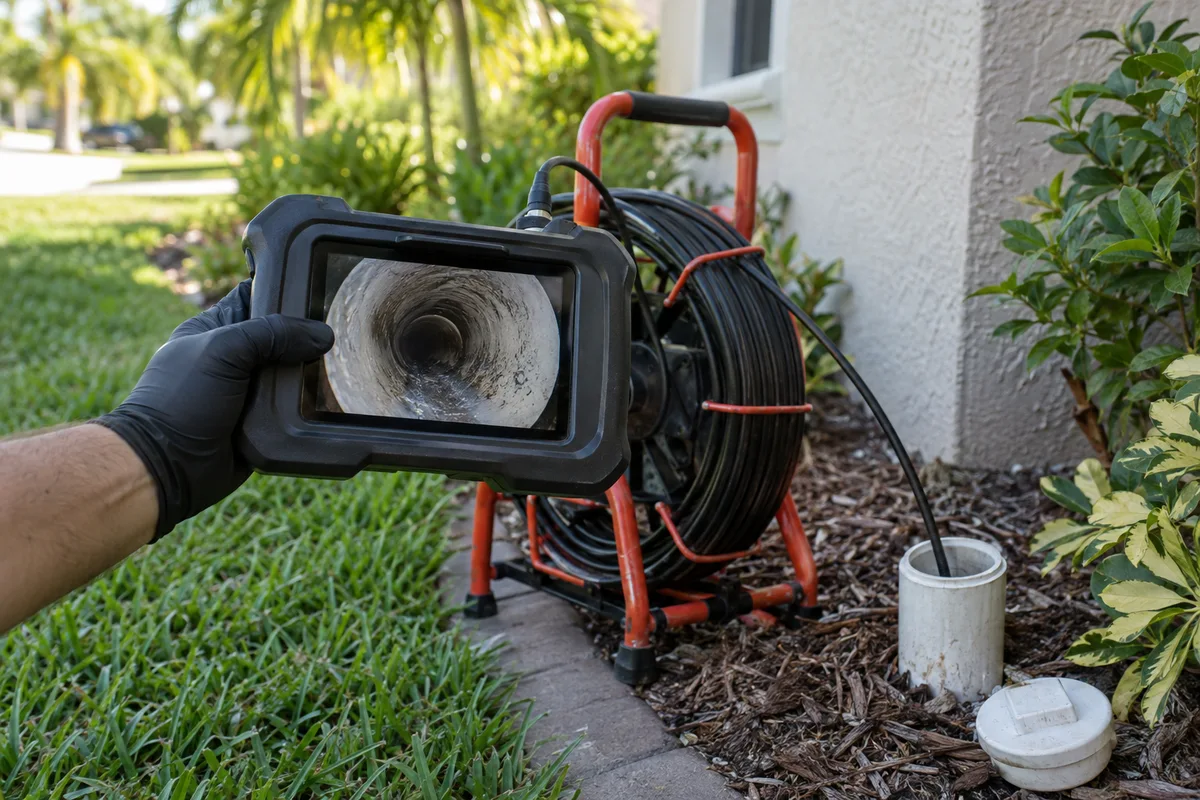
Sewer Line Repair begins with understanding the problem. Several drains backing up together, repeat blockages, or inspection findings can justify a sewer line assessment. These symptoms do not identify the exact failure on their own. A camera inspection and other site specific investigation may help distinguish an obstruction from a damaged, displaced, or deteriorated pipe section.
Share any existing footage, written findings, or previous repair invoices. Knowing where earlier work took place can help avoid treating every recurrence as a new and unrelated problem. Tell us whether the property is connected to a public sewer or has a septic system.
Compare a section repair with replacement
A localized defect may lead to a discussion about repairing one section. Multiple problem areas or poor overall condition may call for a broader replacement proposal. The choice depends on the evidence, access, pipe route, and property requirements rather than the symptom alone.
Ask for the proposed beginning and end of the work, the material being replaced, and what happens at the connections. If a particular repair technology is suggested, confirm that it is appropriate for the existing line and available for your project. Do not assume every property qualifies for a no dig approach.
- Review inspection findings and recurring symptoms
- Locate access points and affected portions of the line
- Compare focused repair with a wider replacement
- Discuss restoration and any required coordination
Plan for what is above the pipe
Landscaping, driveways, patios, mature plantings, and building finishes can affect access. The written scope should explain which surfaces may be disturbed and who will restore them. Ask about utility location coordination, inspections, and property access as applicable to the actual job.
For condo communities and commercial sites, ownership of the affected piping needs to be clear before work begins. A shared line can require manager approval and communication with other occupants. A private property issue and a utility system issue may involve different responsible parties.
Make the next conversation useful
Note how often the backup occurs, which fixtures react, and whether there are unusual sounds or odors. Stop using overflowing fixtures and keep clear of wastewater. Repeatedly running more water to test a backed up system can add to the problem.
Contact Ultra Plumbing to discuss sewer line repair. Have your address, known connection type, and any previous inspection information ready. We will discuss the assessment and scheduling needed before a repair route or completion time is established.
Sewer line repair should define the affected section
A repair proposal needs more detail than a general statement that the sewer is bad. Ask which portion is affected and how the concern was identified. The location, extent, and observed condition should connect to the recommended work. Clear findings make a major decision easier to understand.
If another provider has already inspected the line, share the records. Different inspections may cover different routes or occur under different conditions. Comparing the actual documentation is more useful than comparing short verbal descriptions. Ask for an explanation when the proposed scopes differ.
Compare sewer line repair and replacement scope
A localized repair may leave much of the existing line in place. A wider replacement may address several concerns but disturb more of the property. Neither choice should be automatic. Ask how the known condition supports the recommended extent and what concerns could remain outside the proposed work.
Also clarify the connections at each end of the project. A new section must fit into the overall drainage route. The proposal should explain which existing portions remain and whether further investigation is needed. This detail matters when you compare bids that describe different lengths or limits of work.
Restoration is part of sewer line repair planning
Before work begins, walk through the access route with the appropriate project contact. Identify surfaces, planting beds, fences, and occupied spaces that may be affected. Discuss who documents the existing condition. The plumbing scope and the restoration scope should be clear enough to avoid assumptions afterward.
Some restoration may need another trade or a separate schedule. Ask when the plumbing work can be checked and when the affected area can be closed. If the property is occupied, discuss temporary access and drainage arrangements for the project. Confirm these details for the actual job rather than expecting a standard sequence.
Coordinate responsibility on shared properties
A line crossing common areas can involve more than the occupant experiencing the backup. The owner, association, manager, or utility may need to clarify responsibility. Do that early. Authorizing work without understanding who controls the pipe and access can create delays and disputes that a clear discussion could avoid.
Provide any site diagrams or maintenance records available. These may help the team understand the intended route, although actual conditions still require assessment. For commercial sites, identify other occupants who could be affected by drainage interruptions. One authorized contact should coordinate scheduling and changes.
Understand the next step before authorizing work
Ask what findings are confirmed, what remains uncertain, and what would change the proposal. Hidden conditions can appear during access. A written change process helps you understand additional work before it proceeds. Keep the relationship between the original problem, the new finding, and the proposed response clear.
After completion, retain the work description and any inspection records provided. These documents can support future maintenance and renovation planning. If another problem appears later, explain whether it affects the same fixtures and route. That context helps separate a concern within the repaired area from a different part of the system.
For example, an inspection may identify one concern beneath a paved area and another farther along the route. Ask whether the proposal addresses both locations. Also clarify whether the findings come from the same inspection. This helps you understand the limits of a targeted repair and prevents separate concerns from being combined into one vague description.
Common questions
Can a camera inspection confirm every sewer problem?
It can provide useful views of accessible pipe interiors, but visibility and access may be limited. Some findings require additional investigation. Ask what was visible and what remains uncertain.
Will the yard or driveway need to be opened?
That depends on the pipe location and repair method. Discuss access and restoration in the written scope, including any areas outside the plumbing contractor’s work.
Does cleaning repair a broken sewer line?
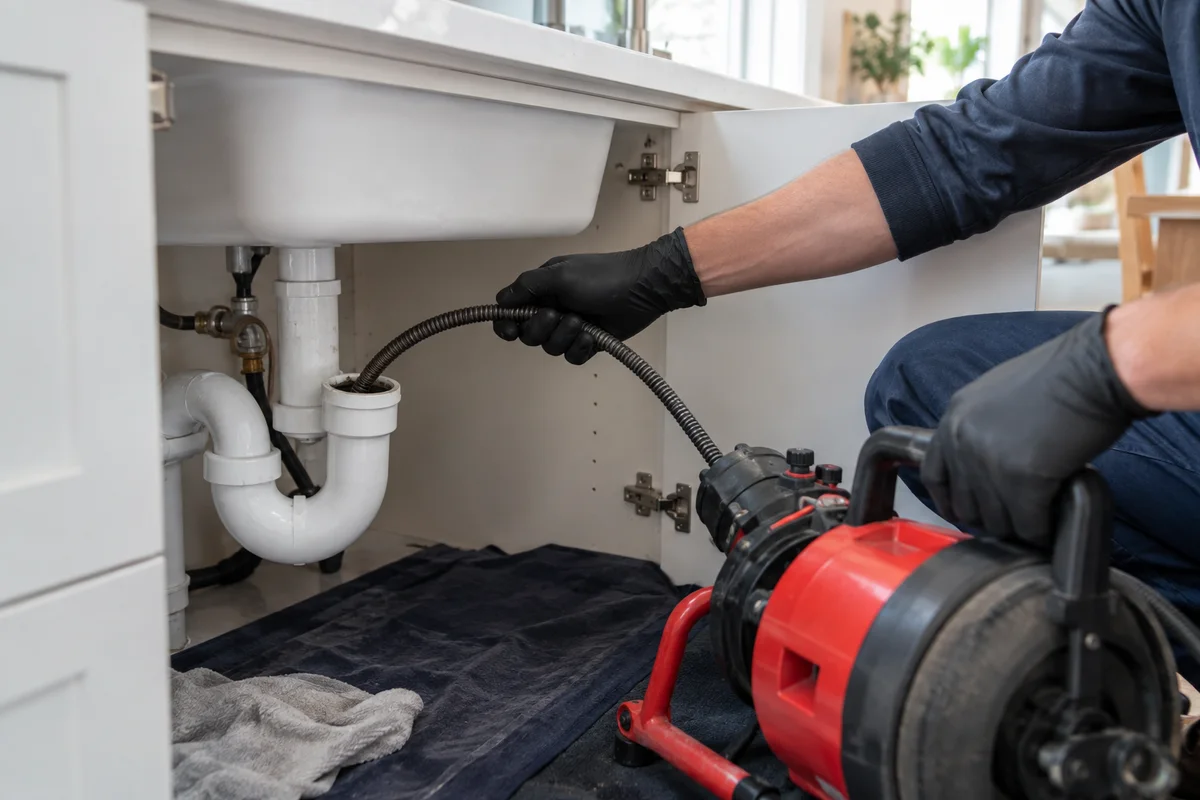
No. Clearing material from a line and repairing damaged pipe are separate tasks. If structural damage is found, the plan should address it directly.
Explore more plumbing help
Every home has different needs. These related pages can help you plan your next step.