Plumbing tips begin with paying attention
Plumbing tips do not need to turn you into a technician. Often, the most useful habit is simply noticing how your home behaves. A change in a familiar fixture can give you a reason to ask questions. Perhaps a sink takes longer to drain, or the hot water feels different during normal use. Keep the observation clear before you guess at a cause.
A short note can help you remember when the change began. Include the room, fixture and pattern you notice. If the issue comes and goes, describe the circumstances. This simple record gives a future service conversation a more useful starting point. It also keeps separate events from blending together in your memory. The goal is better information about your home, followed by a clear discussion of the next step.
Build a useful notebook for your home
A home plumbing notebook can be as simple as a folder or a few saved notes. Keep product information you already have, records of completed work and questions about future projects. You do not need to collect every technical detail. Start with the items that help you explain the setup and the changes you have noticed.
For example, you might keep the model information for a water heater beside its service records. A fixture project could have its product details and the room measurements you already know. Label notes by area so they are easy to find later. Also keep proposed work separate from completed work. That distinction helps when you revisit an older conversation. A clear record can save time when you need to explain a concern to someone new.
Think about how a room is actually used
A fixture choice should connect to the way you use the room. Before you focus on finishes, write down what you want the space to do better. Perhaps the kitchen sink area feels awkward during daily tasks. Maybe a bathroom update should make the room easier to use. Those observations help turn a style preference into a clearer project goal.
Next, identify which decisions are fixed and which remain open. You may have chosen a faucet but still need to understand the installation scope. Or you may be considering a wider change with several connected steps. Share that context when discussing the work. A product photo alone may not explain the existing setup. Your notes about use, access and the desired result help frame a more useful conversation.
Use service guides to ask better drain questions
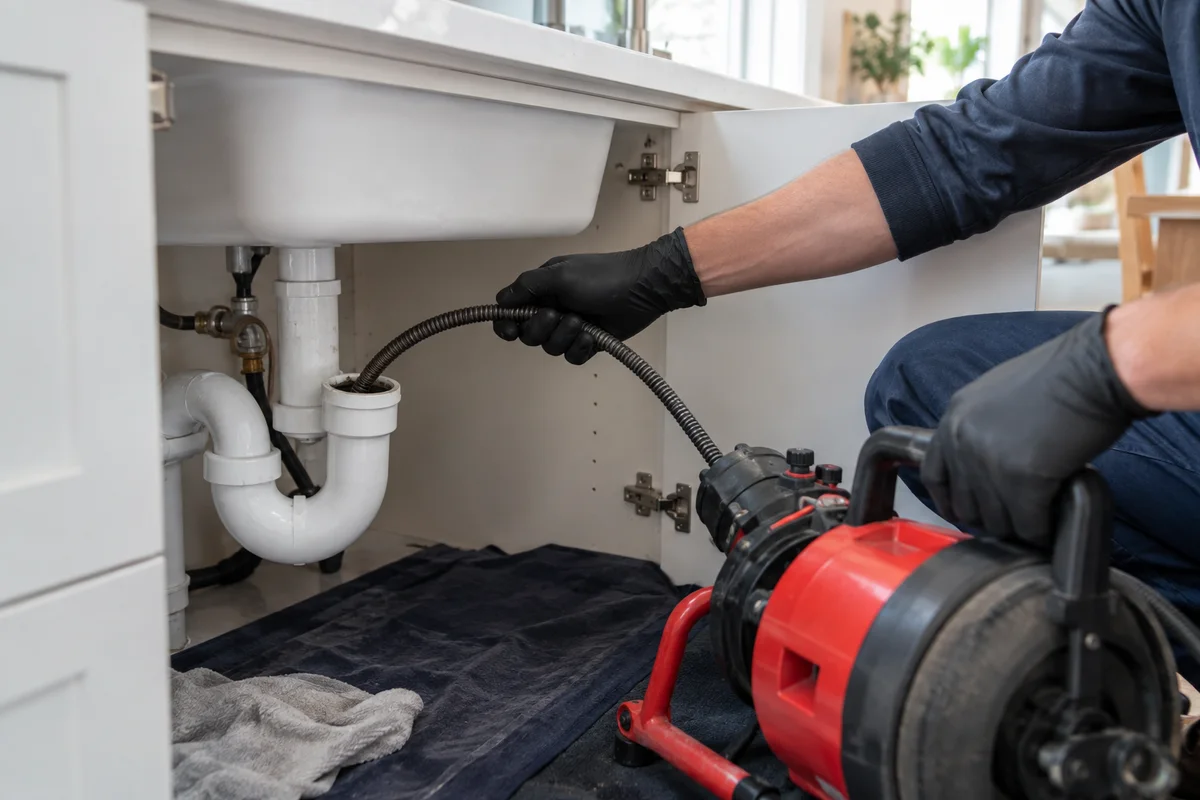
A recurring drain concern can be frustrating, especially when its pattern seems hard to describe. Start by noting which fixtures are affected and when the issue appears. Then review the relevant drain service guide. Use it to build questions about assessment and possible next steps, rather than choosing a method from a headline alone.
Different service names describe different kinds of work. Therefore, ask how a proposed method relates to the concern at your property. You may also want to know what information remains unknown before the scope is set. Keep your earlier observations available for that discussion. If past work relates to the same area, include its record with your notes. Clear context can make it easier to explain what has changed and what you hope to resolve.
Plan hot water questions around real household needs
Hot water conversations often become clearer when you describe normal household use. Think about when demand is highest and where you notice a change. A concern at one fixture may prompt different questions from a change throughout the home. Write down the pattern without assuming the equipment is the cause. That leaves room for a useful assessment discussion.
If you are planning a replacement, also list what you want to understand before deciding. You may have questions about the existing setup, the proposed work or the differences between system types. Keep those topics separate from any product claim you have seen elsewhere. The right conversation depends on your home and the actual scope under consideration. A clear list of needs helps you compare answers without losing sight of the original concern.
Coordinate plumbing with a wider home project
A room update may involve decisions beyond the plumbing itself. Fixtures, cabinets and finishes can connect to the same work area. Before the project moves ahead, identify which decisions affect one another. A simple list can help you see what needs discussion first. It can also make it easier to share information with everyone involved.
Keep the desired result separate from assumptions about the work required. For example, choosing a new sink does not by itself define every installation step. Ask which details of the current setup need review. Also note who can approve changes if new questions arise. This matters when a property has several decision makers or a remote owner. Clear notes help keep the project conversation organized from the first idea through the agreed scope.
Make a clear next step from what you learn
Good plumbing tips should leave you with a more useful question, not a false diagnosis. After reading a guide, note the points that apply to your home. Then separate what you know from what you want checked. This keeps the next conversation focused. It also helps you avoid filling gaps with assumptions from a different property or project.
Explore the service pages for deeper information about leaks, drains, hot water, fixtures and other plumbing needs. Each guide can help you prepare a short set of questions. If you are planning work, keep that list with your home notes. If you have noticed a new concern, begin with the symptoms and their timing. Small details can make a big difference in how clearly you explain the issue. That is the purpose of the Ultra notebook.
Common questions
Are these plumbing tips a substitute for a service assessment?
No. They help you organize observations and questions. The guides do not diagnose a property or define a repair scope. A specific concern needs its own discussion and any assessment appropriate to the work.
What should I save for a future plumbing project?
Keep product details you already have, records of relevant work and a short description of your goals. Also list questions about the existing setup. Clear notes help you explain the project without guessing at technical details.
Where can I find more information on a specific service?
Explore the service directory and choose the topic closest to your concern. Each page offers more detail about the questions that may shape a project. You can also browse local information in the service area directory.
Explore more plumbing help
Every home has different needs. These related pages can help you plan your next step.