Start with the building and the impact
Commercial Plumbing begins with understanding the problem. Tell us the property type, affected area, and whether the problem stops normal use. A restroom issue in a small office, a recurring kitchen drain problem, and a leak in a shared building line each need a different plan. Identify the onsite contact and the person who can authorize work.
If the property has service records, inspection footage, or diagrams, make them available. Knowing what has already been investigated helps focus the next step. For multi occupant properties, clarify whether the affected piping serves one space or several.
Service shaped around access
Work may involve occupied rooms, customer routes, secured spaces, or shared utility areas. Discuss access and operating hours when scheduling. Let us know if the building requires sign in procedures, insurance documentation, escorts, or manager approval so these items can be reviewed before a visit.
The proposed scope should explain likely interruptions and any need to coordinate with other tenants or trades. Scheduling depends on the service and the property. Do not assume after hours work or a guaranteed response window without confirming availability.
- Fixture, valve, and accessible piping concerns
- Restroom and kitchen plumbing issues
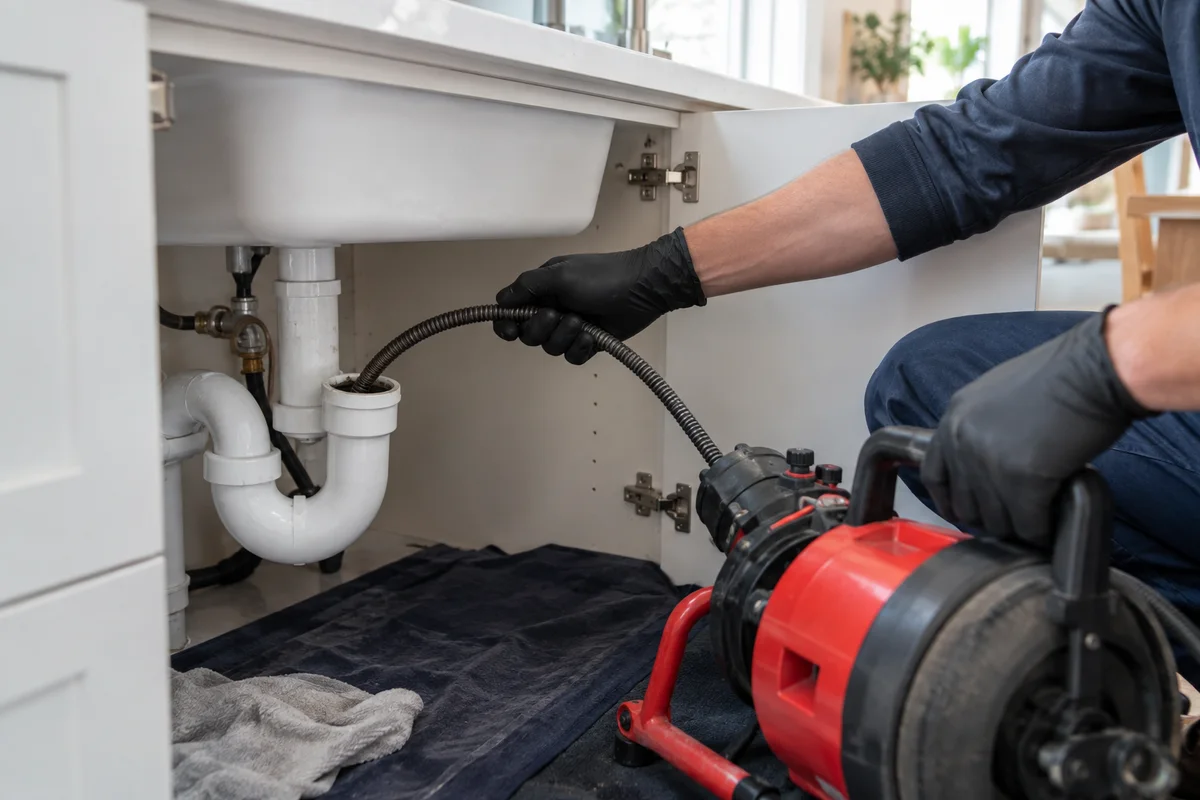
- Drainage investigation and recurring backups
- Water heater and plumbing project planning
Separate the immediate repair from the longer plan
A service visit may address an urgent failure while revealing a recurring maintenance or replacement concern. Ask for a clear distinction between the work needed now and any optional follow up. That makes it easier to plan approvals and communicate with owners.
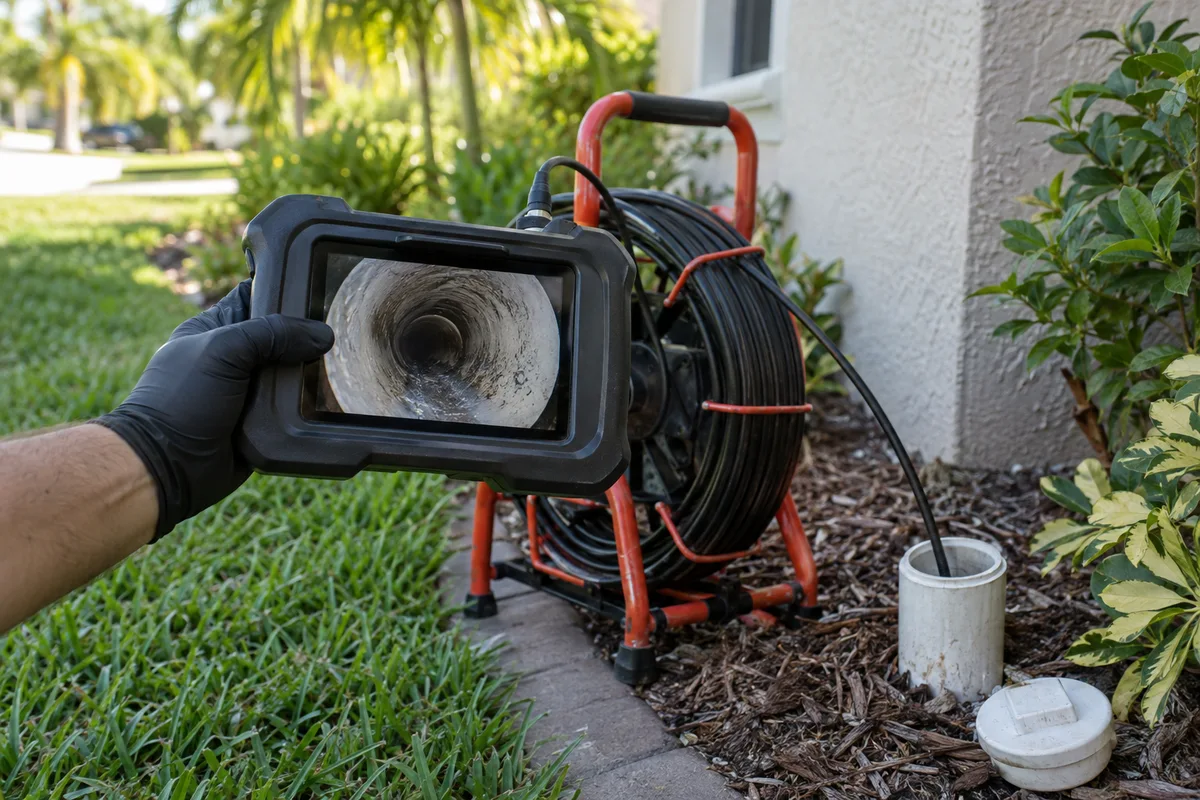
For recurring drain issues, a camera inspection or cleaning plan may be worth discussing. For aging water piping, a repair history can help inform replacement decisions. Recommendations should follow the condition found and how the building uses the system.
Put the decision in writing
A useful scope identifies the affected equipment or piping, the work included, and any exclusions. Ask how hidden conditions, additional access, or changes will be handled. Confirm who receives documentation and whether building staff need instructions after the work is complete.
Contact Ultra Plumbing to discuss commercial plumbing in Fort Myers. Share the property address, the operational impact, and the approval process. That allows a practical discussion about scheduling and the assessment needed to move the job forward.
Commercial plumbing starts with an authorized contact
Identify who reports the problem, who provides access, and who can approve the work. These may be different people. Share the approval process before scheduling so the visit does not stall at a decision point. A clear contact list is especially useful when an owner manages several properties remotely.
Also explain any purchasing or documentation requirements that affect the job. The provider can then discuss whether those arrangements can be met. Do not assume a standard residential service process fits a managed building. Setting expectations early helps both sides understand the practical requirements of the property.
Commercial plumbing for shared systems
A symptom in one tenant space can involve piping used by other occupants. Describe which fixtures are affected and whether neighboring spaces report similar problems. Building plans and maintenance records may help establish the layout. The assessment should consider the shared route before assuming the problem belongs entirely to one unit.
Coordinate communication through the building manager when shared access or interruptions are possible. Occupants need consistent information about the work. If responsibility is unclear, resolve it before authorizing a wider repair. This helps keep the plumbing decision aligned with the property’s ownership and management arrangements.
Compare commercial plumbing scopes clearly
A proposal should identify the equipment, fixtures, or piping included in the work. Ask about access assumptions, likely interruptions, and documentation. Confirm which tasks fall outside the scope. This is useful when you compare providers because similar service descriptions can cover different parts of a building.
If a repair reveals additional concerns, ask for the findings and a separate explanation of the proposed work. The urgency should connect to the actual condition and operational impact. A useful recommendation helps you prioritize decisions without treating every observation as an immediate replacement requirement.
Plan work around operations
Describe the times when affected fixtures are most important and the areas that must remain accessible. A business may have customer routes, deliveries, or occupied spaces to consider. These details support the scheduling discussion. Availability and project timing still need direct confirmation for the particular work.
Where practical, assign an onsite coordinator who can answer building questions during the visit. That person should know how to reach the decision maker. If the site has restricted areas or procedures, provide them in advance. Preparation helps the assessment focus on the plumbing rather than unresolved access details.
Turn service history into better decisions
Keep a record of recurring symptoms, repair locations, and the interval between problems. Over time, that history can support a more informed conversation about maintenance or replacement. A pattern across several fixtures may deserve a different assessment from one isolated failure. The records help establish that distinction.
After work, retain the service description and any findings provided. Share relevant information with the next manager or maintenance contact. Clear records preserve the reasoning behind earlier decisions. They also make future proposals easier to assess because the building’s known plumbing history is available to everyone involved.
Also identify any rooms that require an escort or a scheduled access window. A provider may need to cross a secured area to reach the affected plumbing. Explain those arrangements before the visit. Include the contact responsible for keys and entry. This preparation helps align the assessment with building operations and reduces confusion when the reported symptom sits far from the service access point.
Common questions
Can you coordinate with a property manager?
Provide the manager’s role, access instructions, and approval requirements when you contact us. The service scope and scheduling can then be discussed with the appropriate contact.
Do you offer an ongoing maintenance agreement?
Contact us to discuss your building’s needs and current availability. Any agreement should clearly describe the covered work, visit schedule, and service terms.
Can work happen outside business hours?
Ask about availability for your specific job. Timing depends on staffing, access, parts, and the work required. Do not assume a particular window until it is confirmed.
Explore more plumbing help
Every home has different needs. These related pages can help you plan your next step.