
Start plumbing questions with what you can observe
Plumbing questions become easier to discuss when you start with clear observations. Describe what changed, where you noticed it and when it began. You do not need to know the name of a pipe fitting. A simple account of the problem is often more useful than a guessed diagnosis. For example, explain whether one drain is slow or several fixtures behave differently.
Also note whether the change is constant or occasional. Does it happen during certain tasks? Did it begin after recent work? Those details help frame the conversation without promising a cause. If you have already tried something, mention it clearly. Then use the related service guide to learn which questions may come next. The purpose of this page is to help you prepare, not to diagnose a home from a short description.
Why does the location of a plumbing issue matter?
The location helps define the first set of questions. A single faucet concern may lead to a different discussion from a change across the whole home. Likewise, a visible wet area does not always show where water first escaped. Therefore, describe both the place you noticed the issue and any nearby changes that may relate to it.
For a drain concern, list the fixtures affected. For a hot water issue, explain whether it occurs in one room or several. For a suspected leak, note the visible area without assuming its source. These details help keep the discussion specific. They also make it easier to choose the right service page. You can then ask how the issue may be assessed and what information would help define the next step.
What should I know before discussing a water heater?
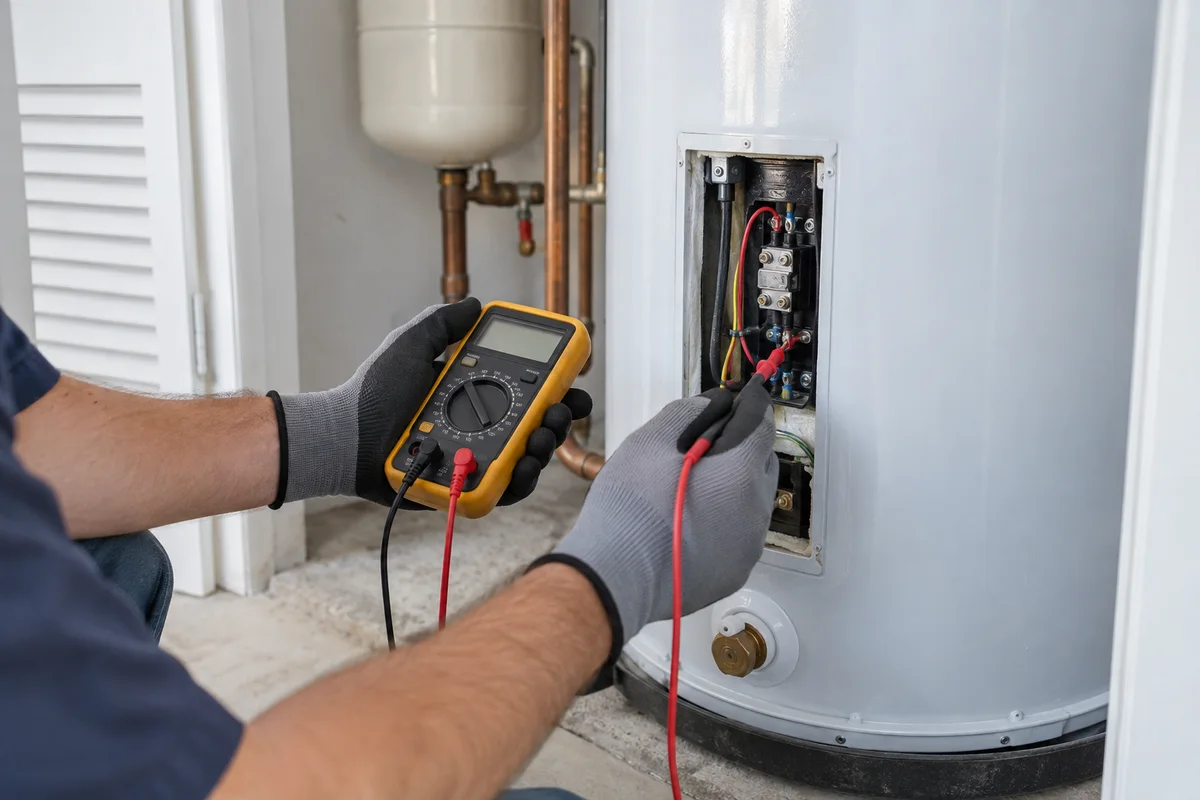
Start with the symptoms you notice during normal use. Perhaps the water turns cool earlier than expected, or its temperature varies between uses. Explain when the change happens and how it affects the household. If you already know the unit’s model or age, keep that information with your notes. However, do not guess when a detail is unknown.
Then separate your current concern from any future preferences. You may need a repair discussion while also considering a different system later. Those are related questions, but they are not the same question. Ask what needs to be checked before comparing options. Also ask what information would shape a replacement proposal if one becomes relevant. Clear details about your home and usage help make that conversation more useful.
How can I prepare for a drain or sewer conversation?
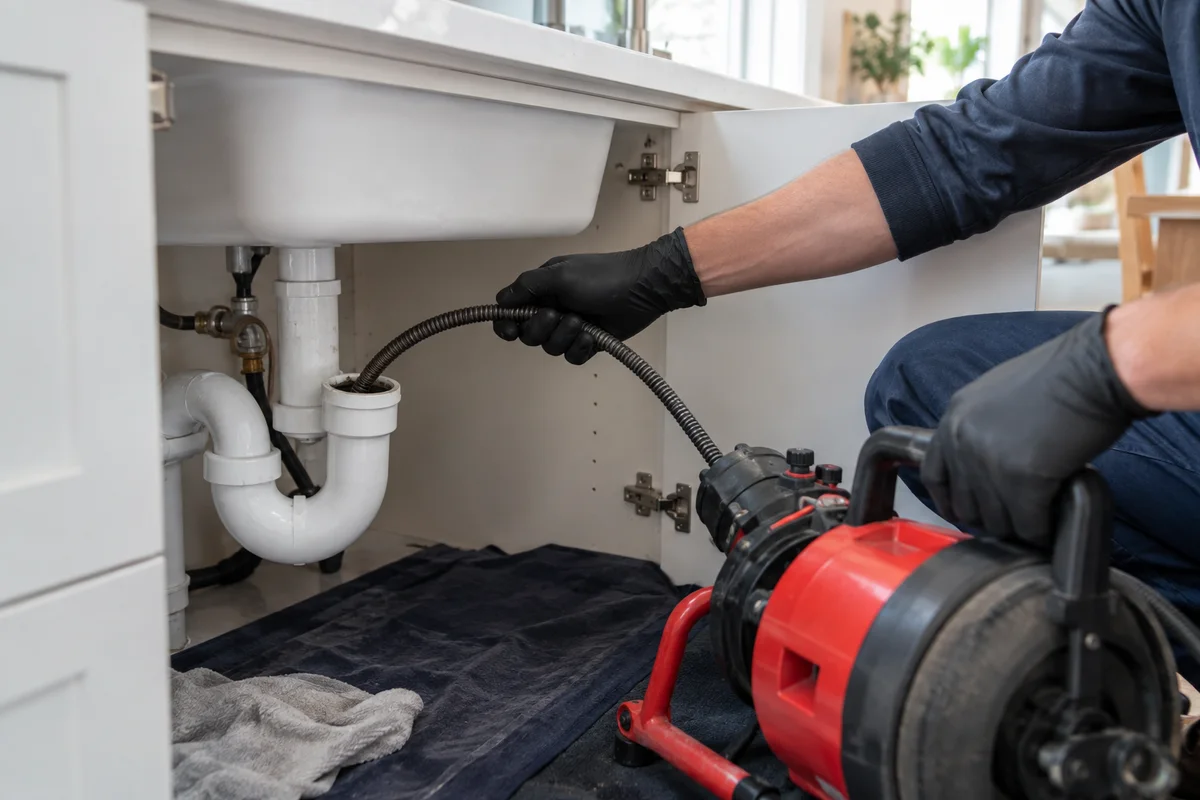
Describe the pattern before you label the cause. Is one sink slow, or do several fixtures seem affected? Does the change happen each time you use them? Have you noticed a recurring issue after an earlier service? A short timeline can help organize those details. It also helps distinguish a new concern from a problem that has changed over time.
Next, list any actions you have already taken. Include products used or previous work discussed, without assuming those actions explain the present issue. Different drain concerns may call for different next steps. Therefore, ask how the scope will be determined before choosing a particular method. A service guide can explain the questions involved in cleaning, inspection or repair. Your property still needs its own discussion before a method can be selected.
What information helps with a fixture project?
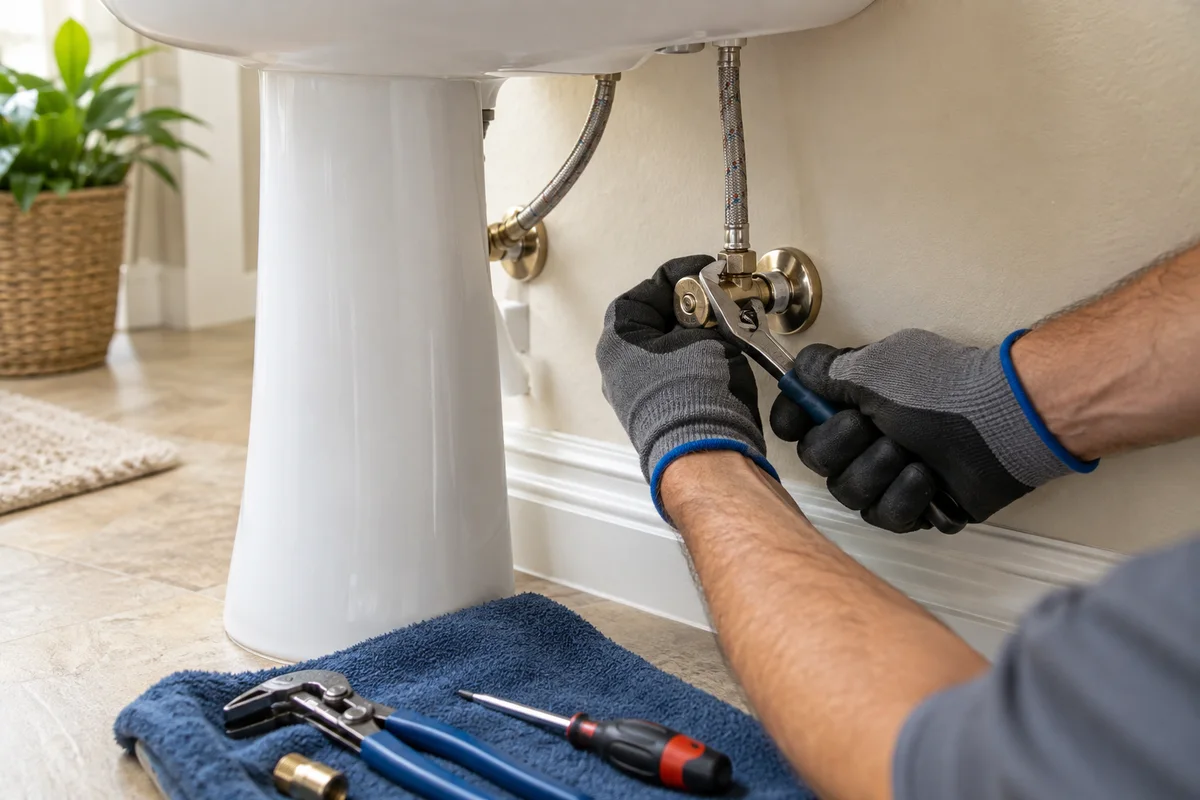
For a fixture project, describe both the existing setup and the result you want. You may be replacing a worn item, changing a style or planning a wider room update. Note which parts you have already chosen and which remain open. If you have a product model, keep its details available for the service discussion.
Also consider access to the work area. A cabinet, nearby finish or existing connection may raise questions that a product photo cannot answer. You do not need to resolve those questions yourself. Instead, ask which details should be checked before the scope is set. A clear proposal can then explain the work under consideration. This is especially helpful when several trades or household decisions relate to the same room project.
How do I compare repair and replacement questions?
First, ask what is known about the current issue and what still needs assessment. A useful discussion should separate those points. Then ask how each proposed option addresses the concern you reported. You may also want to know what each option includes and which limits apply. That keeps the comparison grounded in the actual work.
Avoid choosing solely from a broad description of one method. A home’s existing setup can shape what is practical. Likewise, a project may involve access or related work that changes the scope. Write down your priorities before comparing options. Perhaps your main concern is restoring a fixture, or you may be planning a wider update. Those goals help frame the questions. The final choice should follow clear information about the work and your property.
What should a clear service request include?
A useful service request includes your name, a way to reach you, your city and a short description of the concern. Explain which fixture or area is involved and how the issue affects use of the home. Keep the message focused on observations. You can ask about details you do not understand during the next conversation.
The website request form is currently a preview until its connection is ready. It does not send or save your information in that state. Call 239-396-9367 or email info@ultraplumbingfl.com for service questions and current availability. In the meantime, the service pages can help you prepare your notes. Choose the page that fits your question, then list the points you want clarified. Good preparation makes it easier to explain the concern when you contact Ultra Plumbing by phone or email.
Common questions
Can this website diagnose my plumbing issue?
No. The guides explain useful questions and common service topics. Your home needs its own discussion and, when appropriate, assessment. Describe the symptoms clearly and avoid treating general information as a diagnosis.
Do I need to know the exact plumbing service before reaching out?
No. Start with the room, fixture and change you have noticed. Clear observations can help frame the next conversation. The service guides are available to help you prepare, even if you are unsure which topic fits.
Can I submit a service request right now?
The custom form shows its current connection status. While it says online requests are not connected, it does not send or save your details. You can call 239-396-9367 or email info@ultraplumbingfl.com to discuss your property and confirm service availability directly.
Explore more plumbing help
Every home has different needs. These related pages can help you plan your next step.