A Lehigh Acres plumber who starts with the setup
A Lehigh Acres plumber needs a clear picture of the affected plumbing before recommending a solution. Tell us whether the issue involves one faucet, several fixtures or the entire home. Also, explain whether hot and cold water behave the same way. Those comparisons can help narrow the inspection.
If your property uses a private well, mention any pumps, tanks or treatment equipment you know about. However, you do not need to diagnose those systems yourself. We will clarify the plumbing scope and whether your concern needs a specialist for equipment outside it. That avoids treating every change in household water as the same kind of repair.
Separate low flow from a supply interruption
Water trickling from one faucet differs from no water anywhere in the house. A fixture restriction may affect only that outlet. By contrast, a wider interruption raises questions about the supply and equipment serving the property. Therefore, compare a few accessible fixtures and describe the pattern without repeatedly running equipment that behaves unusually.
Also, note when the change began and whether any work happened recently. For a private well property, share what you observe around the equipment from a safe location. Do not open electrical covers or adjust unfamiliar controls. Contact us with the details so we can discuss the right service path and any specialist coordination needed.
Investigate Lehigh Acres water quality concerns
Cloudiness, visible residue or an unfamiliar taste can raise questions about your water. Nevertheless, appearance and taste alone cannot establish whether water is safe or identify the full cause. If you have a private well, appropriate testing is a useful starting point for decisions about water quality.
Keep any recent test results and equipment records available when discussing plumbing or treatment needs. In addition, explain which concern you want to address. Reducing deposits on a fixture differs from responding to a specific test result. We can clarify the plumbing work involved, while testing and equipment recommendations should match the actual water information rather than assumptions about the neighborhood. A Lehigh Acres plumber can explain the connection work required by the selected equipment.
Recognize the pattern behind drain problems
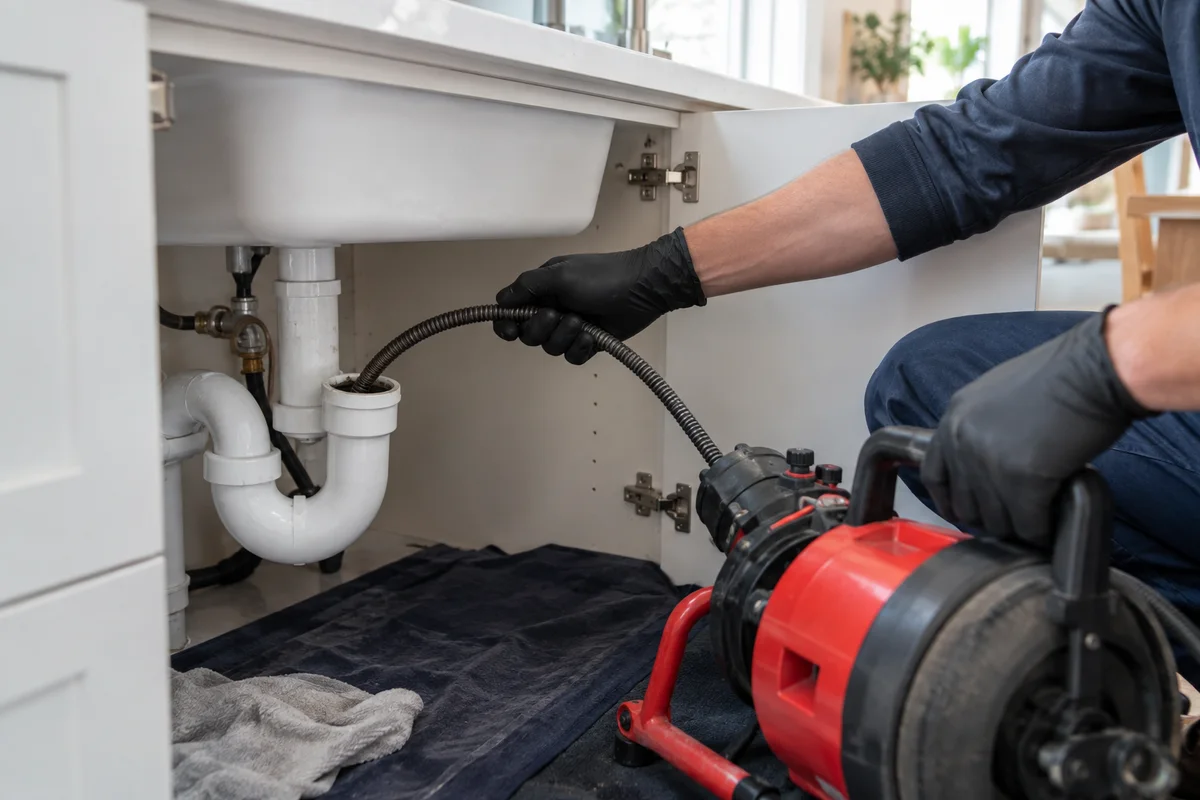
A kitchen sink that slows after heavy use may need a different investigation from several fixtures backing up together. Tell us which drains react, whether you hear gurgling and what happens when a nearby toilet flushes. Also, explain any previous cleaning and how long the improvement lasted.
The property's wastewater setup matters too. If you know the home uses a septic system, say so at the first call. Household drain work and septic system service are different scopes, and the symptoms may require coordination. Avoid assuming the blockage must sit directly beneath the slow fixture. An informed inspection helps determine which part of the system needs attention.
Keep Lehigh Acres leak repairs focused
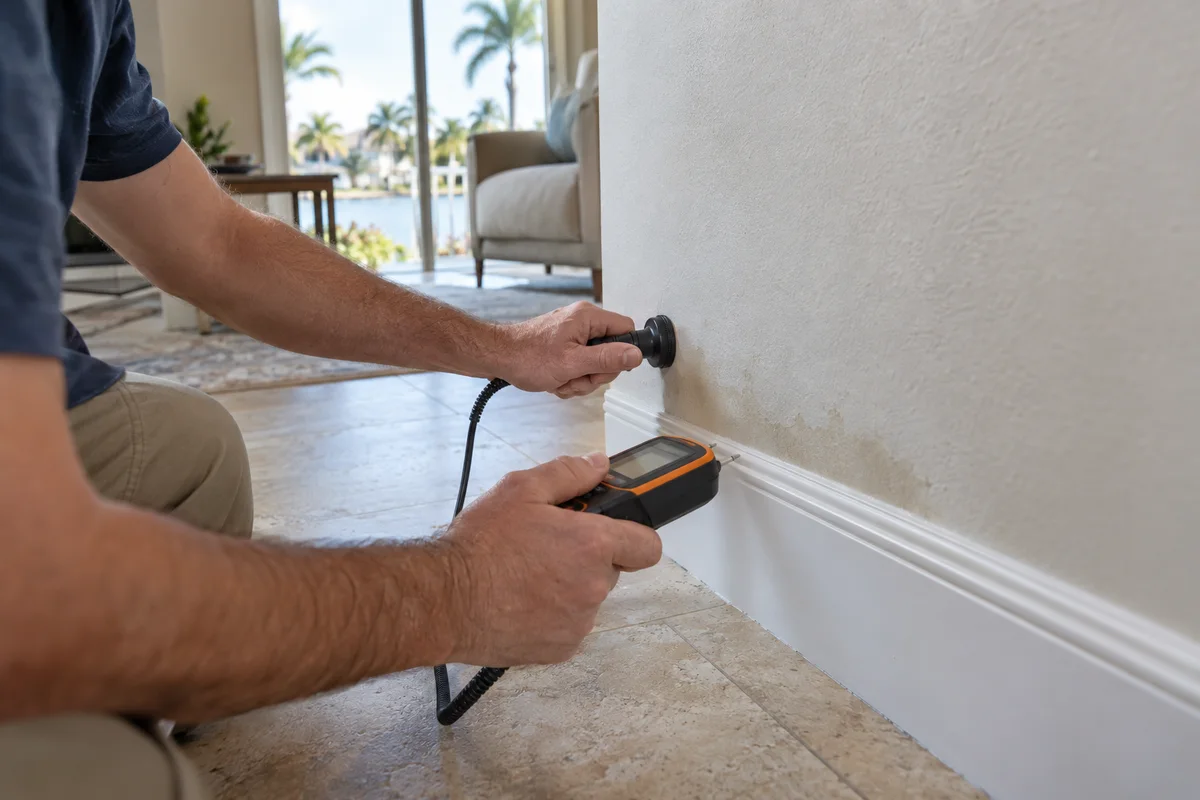
An active drip beneath a sink gives a useful clue, but water can also move along pipes or surfaces. We look for the source before discussing the repair. That approach helps distinguish a loose connection from a fixture problem or leakage elsewhere in the area.
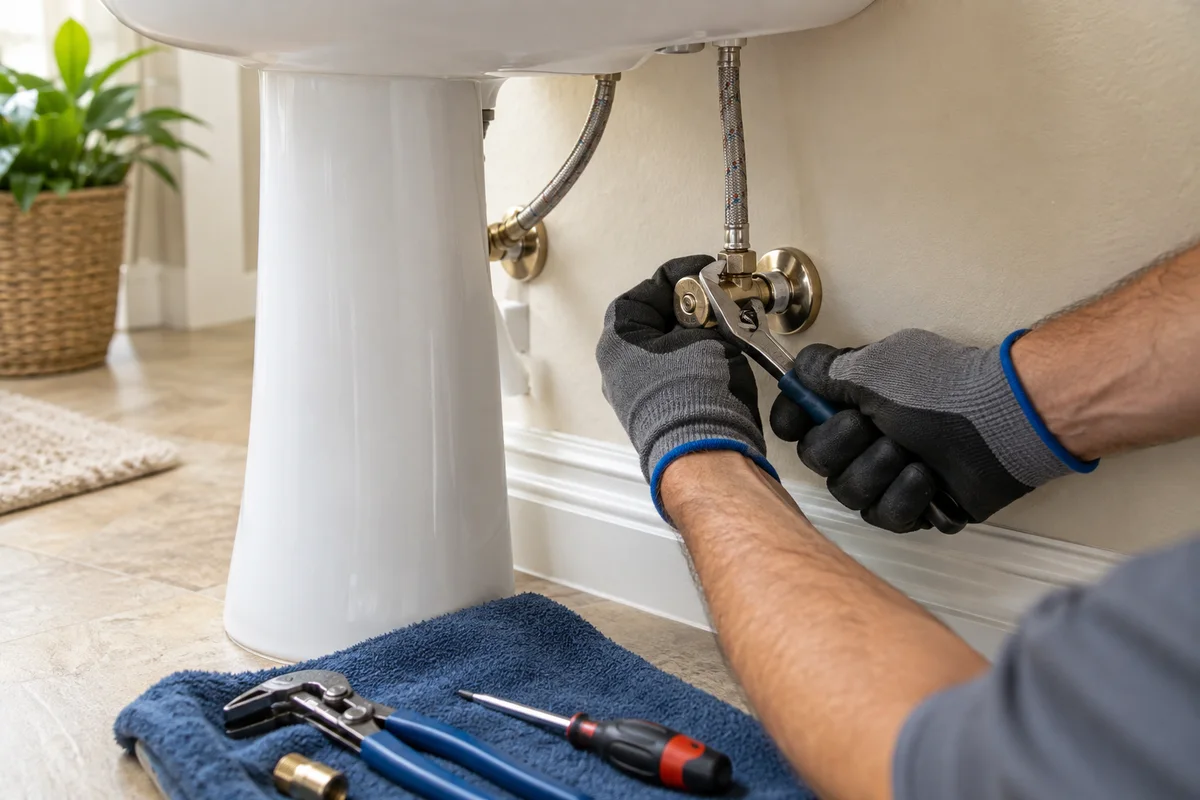
Remove belongings from a wet cabinet if you can do so safely. Then note whether the moisture appears only while water runs or continues afterward. A known, accessible shutoff may help limit a fixture leak if it operates normally. However, do not force a corroded valve. Tell us what you see and any steps you have already taken when requesting service. Your Lehigh Acres plumber can review those observations before inspecting the connection.
Repair fixtures with daily use in mind
A toilet that refills without use or a faucet that drips after closing may involve a worn component. If the fixture remains in suitable condition, a repair can be worth discussing. On the other hand, damaged parts or repeated failures may make replacement a more useful option.
Your preferences matter in that discussion. For example, you may want a faucet that is easier to operate or a toilet that better fits the room. Before buying, check the dimensions and connection requirements. We can explain the plumbing considerations so the product you select fits the existing setup and the way your household uses it.
Review hot water in your Lehigh Acres home
A drop in hot water performance deserves a description of when and where it happens. Does one shower cool quickly, or does the entire home lose hot water? Does the issue appear only when several fixtures run together? These details help separate demand questions from a change in the equipment or connections.
Share the unit's model information if you can read it safely. Also, mention visible leakage and any unusual behavior. Do not remove service panels or work on electrical components yourself. We can discuss inspection, repair and replacement options based on the findings, including the equipment location and the household's practical hot water needs. A Lehigh Acres plumber can help you compare the practical installation options.
Prepare the property and define the work
Clear a safe path to the affected fixture and any related water equipment. If the home has a gate or a long driveway, explain the access when you call. Also, identify who can approve the repair and answer questions during the visit. Those details help us plan the appointment.
After inspection, ask what the proposed work includes and whether any specialist or finishing work sits outside the plumbing scope. A Lehigh Acres plumber should connect the findings to a practical next step. Contact Ultra Plumbing with your property details and preferred timing. We will discuss the service you need and confirm availability before you plan around an appointment.
Common questions
Should I mention that my home uses a private well?
Yes. Tell us about the water source when you describe the problem. Also, mention any pumps, tanks or treatment equipment you know about. That information helps us distinguish household plumbing work from a possible equipment concern. We will clarify the scope before the visit and discuss whether another specialist may need to handle part of the issue.
Can a plumber tell whether my well water is safe by looking at it?
Appearance alone cannot establish water safety. A water quality concern may call for appropriate testing and advice based on the results. Keep any test records available when discussing plumbing or treatment equipment. In addition, explain what changed and when. Do not select a treatment system only because it worked for a different property with a different water source.
What should I explain if several drains back up?
Describe every affected fixture and whether they react at the same time. Also, tell us about previous drain work and whether the property uses a septic system, if you know. Reduce water use while seeking advice instead of repeatedly testing the drains. The pattern helps determine whether the concern involves a local line or needs a broader service discussion.
What if I do not know where the main shutoff is?
Say so when you call. You should not force an unfamiliar valve or enter an unsafe area to search for one. Keep clear of wet electrical equipment, move belongings only if safe and explain whether water is actively escaping. We can discuss the situation and the appropriate next step based on the symptoms and access you describe.
Explore more plumbing help
Every home has different needs. These related pages can help you plan your next step.