
Start with the equipment and the symptom
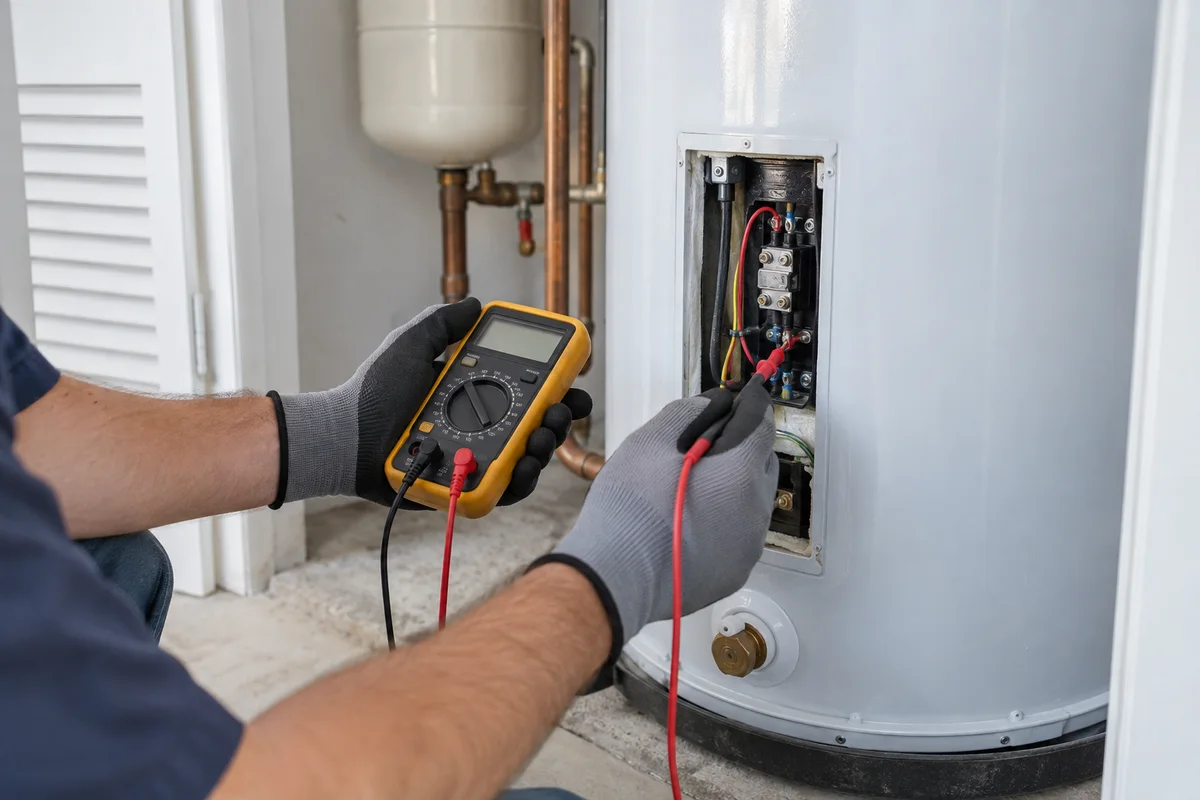
Water Heater Repair begins with understanding the problem. Tell us whether the unit is a storage tank or tankless model and whether it uses electricity or gas. A model number, approximate age, and any visible error code can help describe the issue. Do not remove panels or touch wiring to gather that information.
Note whether all fixtures have the same hot water problem. If one shower behaves differently from the rest of the house, its mixing valve or fixture may need investigation. Running out of hot water during overlapping use raises different questions from having no hot water at all.
A leak needs its own investigation
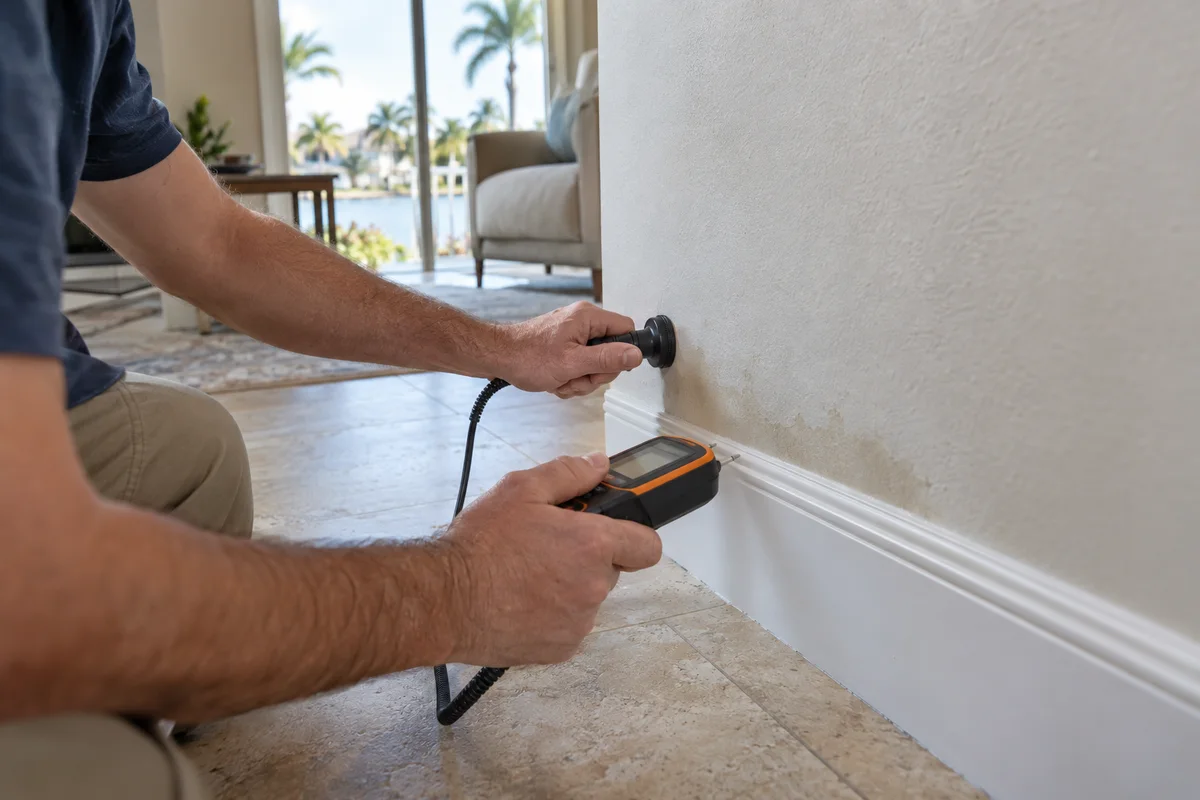
Water near the heater may come from a connection, nearby piping, or the unit itself. The source should be identified before deciding which component needs repair. Avoid assuming that a puddle proves the entire heater has failed, but do not ignore active leakage.
Keep clear of electrical equipment and standing water. If water is actively escaping, contact us and explain that first. Do not block a relief valve discharge, bypass a safety control, or attempt an electrical or gas repair yourself.
- Loss of hot water or inconsistent temperature
- Visible water around the heater or connections
- Unusual operating behavior or displayed fault codes
- Repeated interruptions after an earlier repair
Repair or replace with the facts in view
The unit’s condition, available parts, failure history, and the location of a leak all influence the decision. A repairable control or connection issue is different from a failed tank. Ask what failed, what the proposed repair addresses, and what concerns would remain afterward.
Replacement may also raise questions about capacity, access, electrical or gas supply, and installation requirements. If you are comparing a repair with a new unit, compare complete scopes rather than the equipment price alone. Manufacturer warranty eligibility should be checked against the actual model and records.
Make the appointment easier
Clear the approach to the heater and describe where it is installed. A garage, utility closet, raised platform, or difficult access route can affect preparation. Tell us if you are in a condo or if a building manager must coordinate a water interruption.
Contact Ultra Plumbing to discuss water heater repair. Share the model information you can read safely, the symptoms, and when they began. We will discuss scheduling and the assessment needed before assuming a particular part or a replacement is required.
Water heater repair starts with the model
Find the model information only if it is visible and safe to read. A clear label can help distinguish equipment families and available parts. Note the energy source and installation location as well. Do not remove covers, reach behind hot components, or move the heater to gather information.
If you have a purchase receipt or earlier service record, keep it available. These records may help establish the equipment history. Manufacturer warranty terms vary, and eligibility should be checked rather than assumed. Ask which documentation would be needed if a warranty question becomes relevant to the proposed work.
Water heater repair for inconsistent hot water
Describe the pattern in ordinary terms. Does the water turn cool during one shower, or do all fixtures lose heat together? Does the problem occur during busy periods or after the house has been unused? These details help separate demand questions from a fault that needs component diagnosis.
Also mention any recent plumbing changes. A new shower valve, appliance, or fixture can change the context. The heater may still need assessment, but it is useful to understand the whole sequence. Avoid raising settings or altering controls as a substitute for finding out why performance changed.
What a water heater repair proposal should cover
Ask which fault was found and how the proposed work addresses it. Confirm the parts, access, and checks included in the scope. If additional concerns remain, ask how they affect the recommendation. A clear explanation should distinguish a repairable problem from a reason to discuss equipment replacement.
When comparing repair and replacement, include the complete installation implications of a new unit. Different equipment may need other work at the property. Conversely, a focused repair may leave an older unit in service with its existing limitations. Understanding both choices supports a practical decision rather than an automatic replacement.
Plan access around the heater
Clear stored items from the route and immediate work area when it is safe. Tell the provider about steps, platforms, narrow closets, or difficult doors. Equipment access can affect both diagnosis and replacement planning. A photo of the installation area can help you explain these conditions during coordination.
For a condo, clarify whether the water shutoff serves only your unit. The building manager may need to arrange access or notify others. For a rental, identify the person who approves work. These details are useful before the appointment because they can influence what can proceed during the visit.
After the repair, know the next step
Ask what normal operation should look like for the specific unit and whether any follow up applies. Keep the work description and the part information provided. Follow the manufacturer’s instructions for the equipment. If the symptom returns, report the timing and any displayed fault instead of repeatedly attempting resets.
Finally, separate routine ownership questions from the completed repair. You may want to discuss future replacement, household demand, or equipment maintenance. Those conversations can be useful without implying that another purchase is immediately necessary. The existing condition and your needs should determine the next decision.
Also describe the first hot water use after a quiet period. Does the concern appear immediately, or only after several fixtures run? This pattern can be useful alongside the model details. Do not change internal controls to gather more information. A description of normal household use gives the assessment context without altering the equipment beforehand.
Common questions
Can you estimate the repair cost before an assessment?
A description can help frame the problem, but the final scope depends on the diagnosis, model, parts, and access. Ask what assessment charges or other terms apply when scheduling.
Should I keep resetting a heater that stops working?
Do not repeatedly reset equipment without understanding why it shuts down. Follow the manufacturer’s instructions and arrange an assessment of the fault.
Does a leaking water heater always need replacement?
It depends on the leak source. A piping connection and a leaking tank call for different responses. An assessment should identify the source before presenting the options.
Explore more plumbing help
Every home has different needs. These related pages can help you plan your next step.