
See what symptoms alone cannot tell you
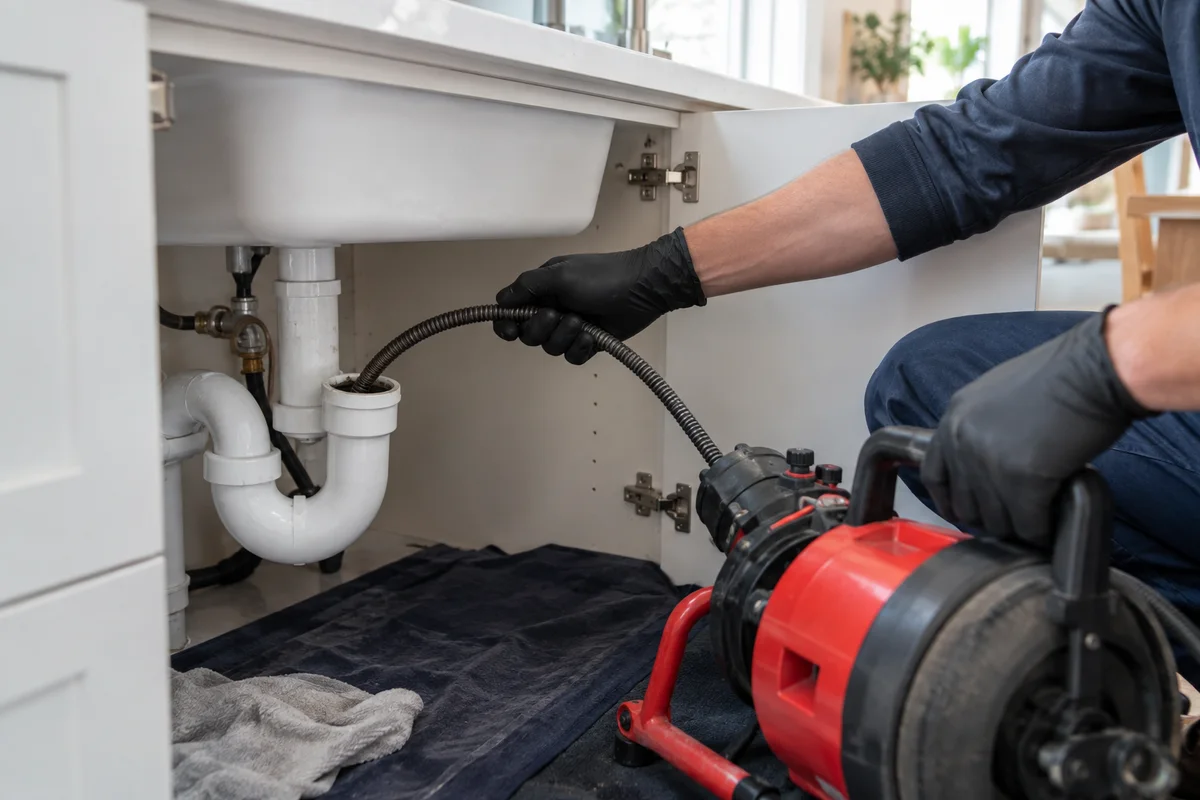
Sewer Camera Inspection begins with understanding the problem. A slow drain may reflect an obstruction, accumulated material, or a condition that cleaning will not correct. Looking inside the line can help separate those possibilities. It also gives you a more useful starting point when comparing a focused repair with broader work.
Tell us what prompted the inspection. Repeated clogs, a planned renovation, or a concern about an older sewer line may call for different preparation. If you have previous footage, share its date and the part of the system it covered.
Understand the route and the limits
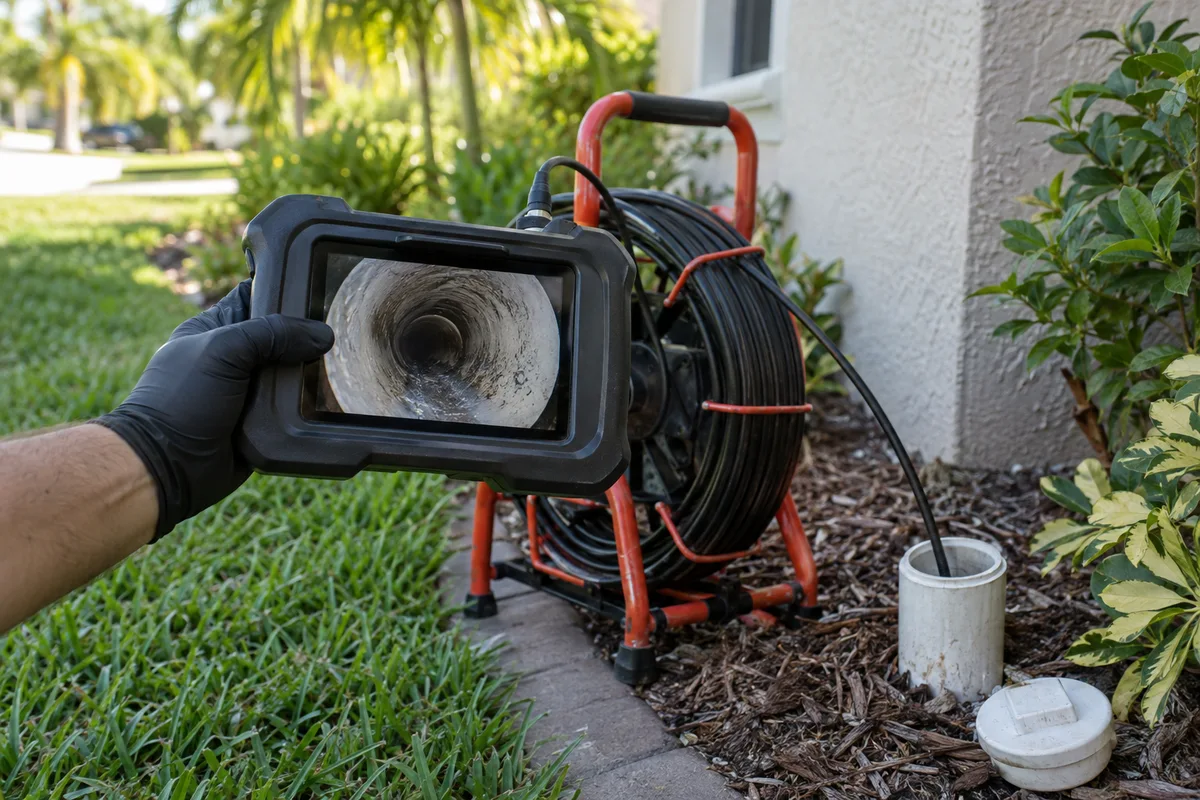
The available cleanout, the pipe layout, and the amount of standing water or debris affect what a camera can show. An inspection is a view of the areas reached under the conditions present. It should not be described as proof that every hidden portion of a system is trouble free.
Ask where the camera entered, how far the inspection progressed, and which areas could not be evaluated. If cleaning is needed to improve visibility, discuss that as a separate step. A useful report should distinguish observations from assumptions.
- Repeated drain or sewer blockages
- Questions about accessible underground piping
- Follow up after drain clearing or repair
- Planning information before a plumbing project
Turn a finding into a decision
An image is most useful when its practical meaning is explained. What appears to be blocking flow? Is there a visible concern about the pipe itself? Does the finding justify cleaning, a more focused investigation, or a repair proposal? Ask for the reasoning behind the recommended next step.
The location and extent of a problem matter as much as its appearance. A proposal should identify the affected portion of the line and any additional locating or access work needed. Inspection and repair remain separate scopes, even when one leads directly to the other.
Prepare the property for access
Clear the area around any known cleanout. Let us know if it is inside a home, behind a locked gate, or in a common area. Condo associations and commercial property managers may need to approve access or coordinate a period without drainage use.
Contact Ultra Plumbing to discuss a sewer camera inspection in Fort Myers. Tell us whether the line currently drains, why you want it inspected, and whether another contractor has already investigated. That background helps make the visit more useful.
Sewer camera inspection for a recurring problem
Start with the history of the backup. Note which fixtures react, how often it happens, and what earlier service changed. This helps define the question the inspection should answer. A camera view becomes more useful when it is connected to a specific symptom rather than treated as a general tour.
Also identify the route you expect to have inspected. A property can contain several branches and connections. Looking at one accessible section does not necessarily evaluate every drain. Ask the provider to explain the planned route and any known limits before the work begins.
What a sewer camera inspection record should show
Discuss documentation when you arrange the visit. Ask whether the service includes a recording, written observations, or an explanation at the property. Confirm how the route and any notable locations will be identified. A file without context can be difficult to interpret later, especially when several lines look similar.
If you plan to share the findings with an owner or another contractor, say so. They may need the description of what was inspected and what remained inaccessible. Keep the original information together. That makes later conversations about repair scope more precise and reduces reliance on incomplete recollections.
Read sewer camera inspection findings in context
An observation inside a pipe should connect to a practical concern. Ask whether the finding explains the symptom, affects flow, or suggests further investigation. Do not assume every visible irregularity requires immediate replacement. Equally, do not dismiss a concern without understanding its location and extent.
The provider should distinguish what the camera shows from what is inferred. For example, a limited view may leave questions about an obstruction or the surrounding condition. Ask what additional step could resolve those questions. Knowing the limits of the evidence helps you make a proportionate decision.
Using an inspection before a planned project
A remodel can change how existing drainage is used. If you are considering a major layout change, discuss whether an inspection could provide useful information about the accessible line. The inspection does not replace project design or approval. It can be one source of information for the broader plumbing plan.
For a property purchase, clarify the purpose and the service scope with the relevant professionals. A camera inspection is not a guarantee about the entire plumbing system. Ask what it covers and how the findings will be documented. Keep it distinct from other building assessments or contractual requirements.
Deciding what follows the inspection
The next step may be cleaning, targeted investigation, a repair proposal, or simply retaining the findings for planning. Ask why that step is recommended. The explanation should connect to the observed condition and your original concern. You should not have to infer the urgency from an unexplained image.
If work is recommended, compare its limits with the inspected route. Confirm which portion would be addressed and whether other areas remain unexamined. This helps keep a repair decision focused. After any later work, retain both the original findings and the description of the completed project.
Also ask how the inspected direction will be described. A recording without an entry point or route can be hard to understand. Label the property and the relevant line in your records. If another visit examines a different branch, retain that distinction. These details make the footage more useful when comparing findings or planning a focused repair.
Common questions
Will I receive a recording or written findings?
Ask what documentation is included when scheduling. Confirm the format, the inspected route, and how any findings will be explained before authorizing the service.
Can a camera find every leak?
No. A camera views the interior areas it can reach. Some leaks, buried conditions, or hidden sections require different testing or additional investigation.
Should the line be cleaned before inspection?
Sometimes cleaning improves visibility, but the best sequence depends on the symptoms and access. Discuss the reason for any proposed clearing before the inspection begins.
Explore more plumbing help
Every home has different needs. These related pages can help you plan your next step.