
Clues worth investigating
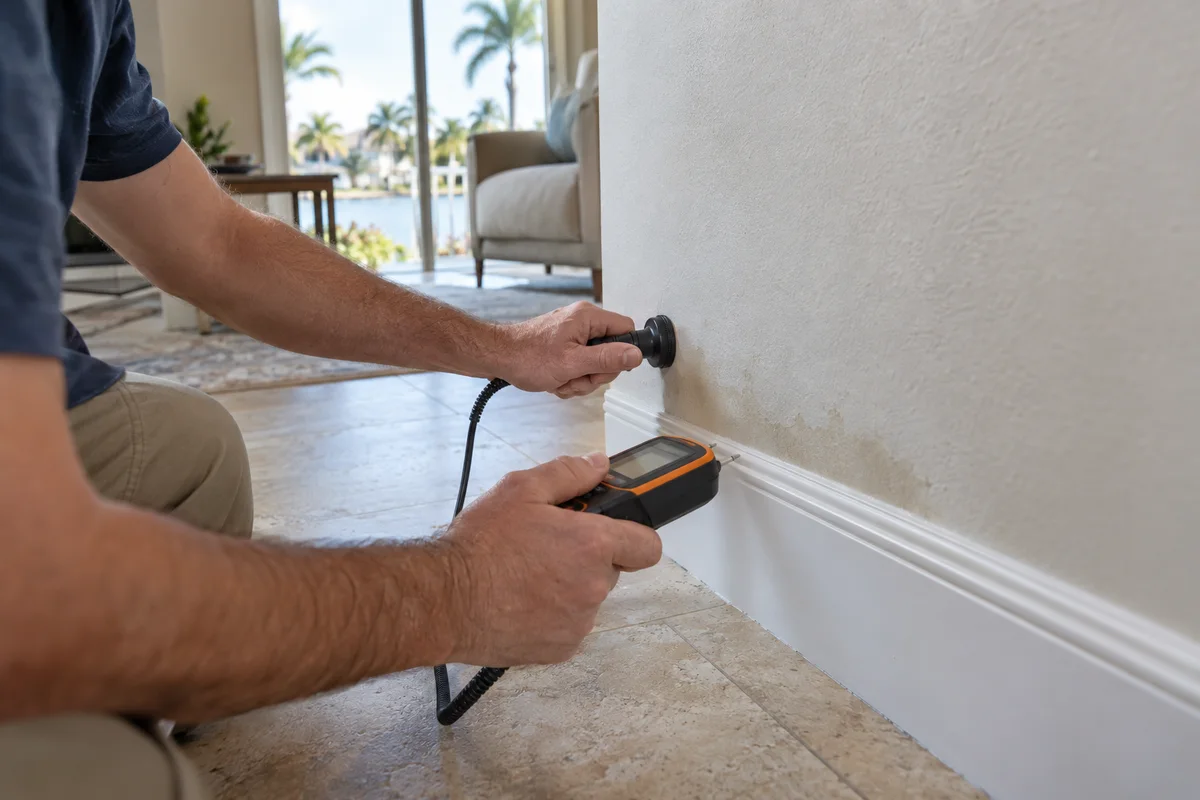
Leak Detection begins with understanding the problem. A leak does not always leave a puddle beside a broken pipe. You may notice staining, moisture under a cabinet, a change in pressure, or water use that no longer matches your routine. These clues can have more than one cause, so avoid assuming every damp area comes from the nearest fixture.
Tell us whether the issue follows showers, laundry, irrigation, or rainy weather. If the problem occurs only when a fixture drains, that information points to a different investigation than a supply line that remains pressurized even when the fixture is off.
A focused investigation
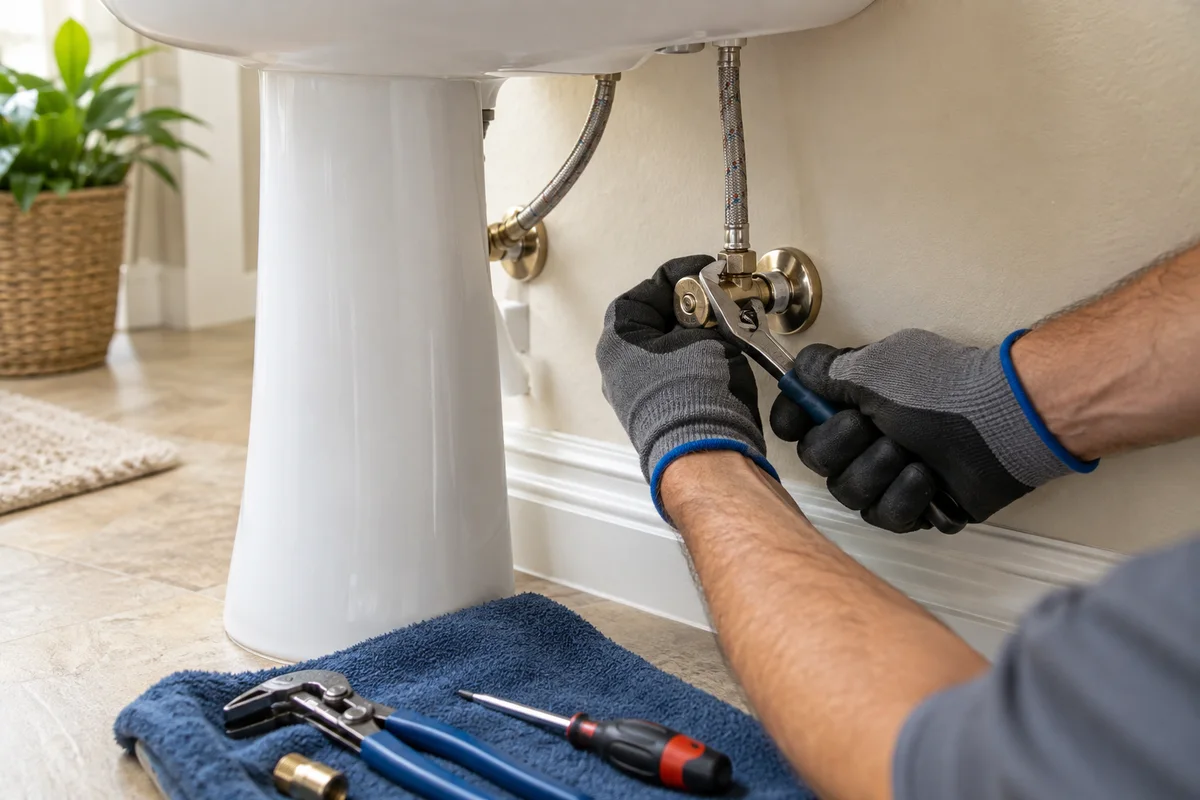
The starting point is the history of the problem and the plumbing that can be inspected safely. Depending on the symptoms, an assessment may involve checking fixture connections, isolating portions of the water system, or discussing specialized locating methods. Access and pipe layout influence which approach makes sense.
Locating a suspected leak does not always mean a pipe is immediately accessible. The findings should explain what is known, what remains uncertain, and what opening or additional testing may be required before the repair can be finalized.
- Unexplained moisture or repeated water stains
- Water use changes without a clear explanation
- Sounds of running water when fixtures are off
- Recurring leaks at different places in the home
Detection and repair are different decisions
After the likely source is identified, compare a focused repair with any wider piping concern. One damaged fitting may be straightforward. A recurring issue involving aging lines may justify a repiping conversation. For piping beneath a slab, access and possible rerouting should be part of the discussion.
Ask what the quoted scope includes: locating, opening access, pipe repair, and any follow up testing. Drywall, flooring, cabinet repairs, and water damage restoration should also be discussed so that responsibilities are clear before work begins.
Useful information to have ready
Keep a copy of a recent bill if water use prompted your concern. Note whether the property uses utility water or a private well and whether irrigation has a separate system. In a condo, tell the association or manager about moisture that might involve another unit or shared plumbing.
Contact Ultra Plumbing to discuss leak detection. Share the location of the visible symptom, how long it has been happening, and whether water is actively escaping. A clear description helps plan the visit without prematurely deciding where the leak must be.
Leak detection begins with a pattern
Write down when the moisture appears and whether it changes during the day. A cabinet that becomes wet only after dishwashing provides a different clue from a constantly damp wall. You can make these notes without dismantling anything. Include nearby activities, but avoid assuming that the nearest appliance caused the problem.
Next, consider who uses the property. Guest visits, irrigation changes, or a recent return to a seasonal home can explain changes in water use. That context helps distinguish a new leak concern from a different usage pattern. If the increase remains unexplained, bring the dates and bills to the assessment.
What leak detection can and cannot establish
An investigation narrows the source based on available evidence. Some plumbing is visible, while other portions remain concealed behind finishes or beneath the building. Ask which areas were evaluated and which could not be reached. Knowing those limits helps you understand how confident the next recommendation can be.
If a specific opening or additional test is recommended, ask what question it is intended to answer. The next step should have a purpose. For example, it may confirm a suspected connection or distinguish between neighboring pipe routes. That explanation makes an investigation easier to follow and the decision easier to assess.
Comparing leak detection and repair proposals
A proposal may cover locating alone, locating with a defined repair, or a staged investigation. Read the scope carefully. Confirm how the provider will handle findings that change the expected work. You should understand when a new approval is needed and which costs relate to access rather than pipe repair.
In addition, discuss who handles finishes after access is opened. A small plumbing component may sit behind an expensive surface. Preserving the surface and restoring it are practical project questions. Raise them before the work begins, especially around stone, custom cabinetry, tile, or recently completed renovations.
Seasonal homes and remote owners
When you are away from Fort Myers, a caretaker may notice the first sign of trouble. Ask them to describe the location and whether water is actively spreading. They should remain in a safe area. Clear photographs can help explain a symptom, but photographs alone cannot confirm the hidden source.
Arrange a contact who can approve investigation and receive the findings. If several people manage the property, choose one person to coordinate decisions. This keeps access, scheduling, and repair authorization consistent. It also gives the onsite person a clear contact if the assessment identifies work beyond the original scope.
Use the findings to plan the next step
Once the source is better understood, ask how the proposed repair relates to the evidence. Is one connection affected, or is there a repeated pattern across the system? The answer may change the options. A useful explanation separates what needs attention now from broader choices you can consider later.
Keep the location details and the work description afterward. A future leak in another room may need a separate investigation. However, previous findings can still provide context about the system. Sharing those records helps the next assessment start with useful history instead of relying only on memory.
For example, a stain that grows after a shower and a stain that remains unchanged tell different stories. Note the timing without repeatedly using a leaking fixture to test it. Also explain whether nearby surfaces were recently repaired or painted. An old mark and new moisture should be distinguished during the assessment so the investigation addresses the current concern.
Common questions
Does a high water bill prove there is a leak?
No. Irrigation changes, additional occupants, filling a pool, billing periods, and other uses can affect consumption. An unexplained increase is a reason to investigate, not a diagnosis by itself.
Will finding a leak require opening a wall?
Sometimes. The access needed depends on the pipe route and the evidence found. Discuss the locating approach and any likely openings before authorizing intrusive work.
Explore more plumbing help
Every home has different needs. These related pages can help you plan your next step.