
First, protect people and limit the problem
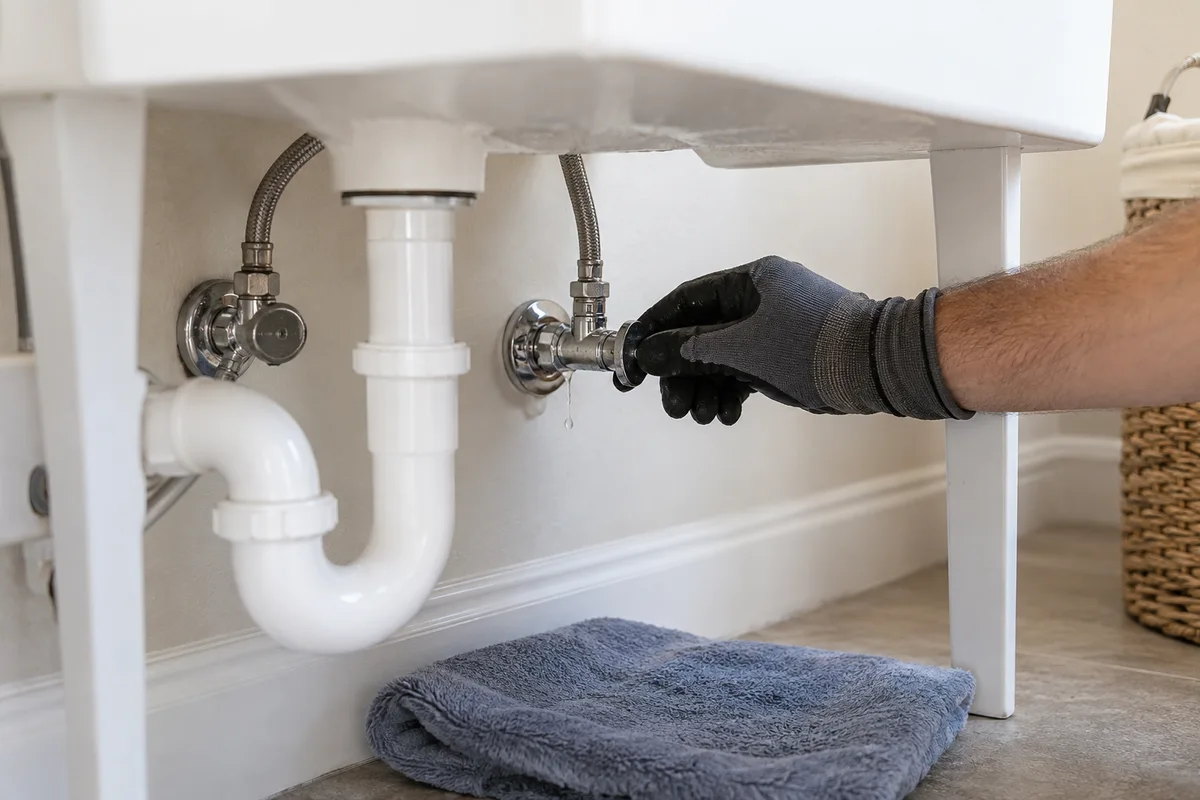
Emergency Plumbing begins with understanding the problem. Keep people and pets away from standing water, especially near electrical equipment or sewage. Do not step into water to reach a switch, appliance, or shutoff. If you can safely reach a clearly identified water valve without entering a hazardous area, closing it may limit a supply leak. Do not force a seized valve.
If you smell gas, leave the area and contact the gas utility or emergency services from a safe location. A plumbing service visit does not replace emergency response. For a suspected sewer backup, stop using affected fixtures and avoid adding more wastewater to the system.
Tell us what you see
You do not need to diagnose the cause before getting in touch. A few observations help establish urgency and the right type of visit. Tell us your address, whether water is still flowing, and whether the issue affects one fixture or several rooms. Mention any building access restrictions or an owner who must approve repairs.
- Water escaping from a pipe, valve, or fixture
- Toilets or drains backing up together
- A water heater leak or sudden loss of hot water
- An unexplained major drop in water pressure
Control first. Diagnose next.
Stopping an active leak and completing a lasting repair can be separate stages. Access, replacement parts, pipe condition, and the source of the problem affect what can be completed during a visit. Ask which work addresses the immediate issue and whether further investigation or restoration will be needed.
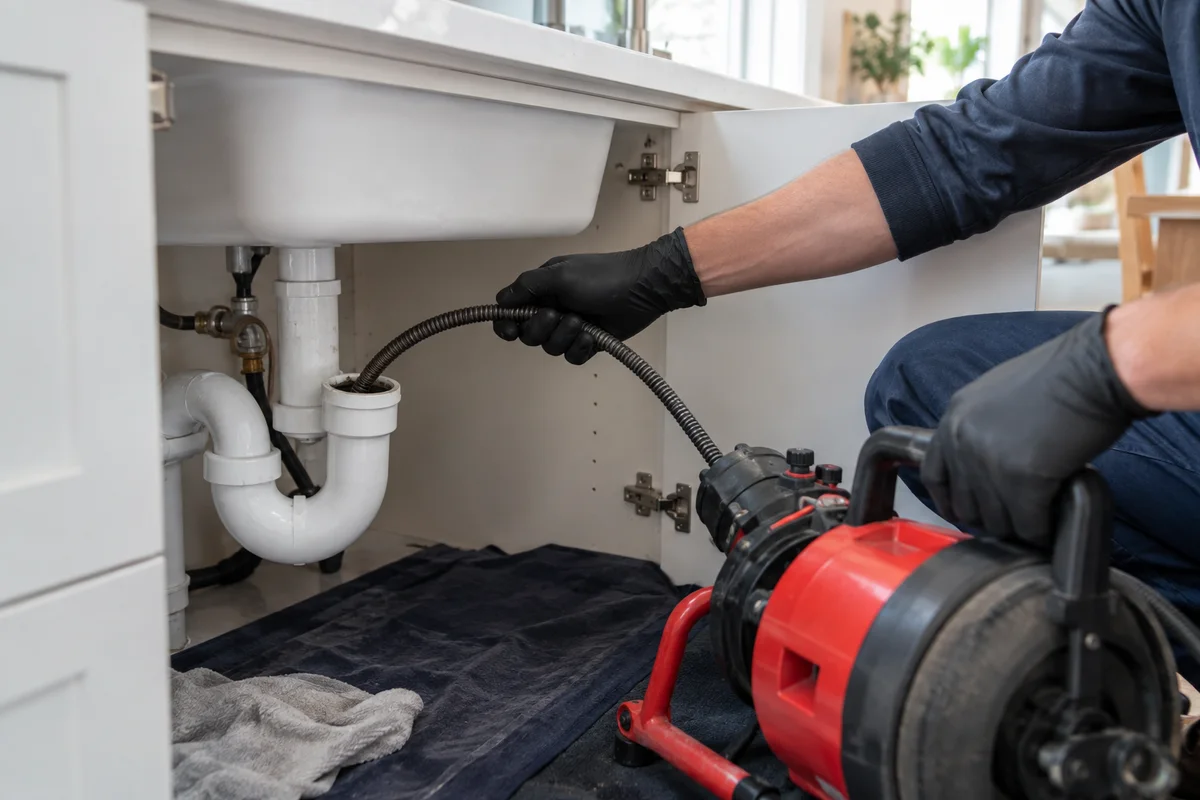
A backed up drain may call for clearing and inspection. A damaged water line may require a focused repair or a wider piping discussion. The purpose of diagnosis is to choose a response that fits the actual failure rather than repeatedly treating the same symptom.
Availability depends on the job and location
Contact us to confirm scheduling, arrival expectations, and coverage for your property. Coastal and island properties can require additional travel and access coordination. If the property is in a condominium, contact the building manager when a shared line or building water shutoff could be involved.
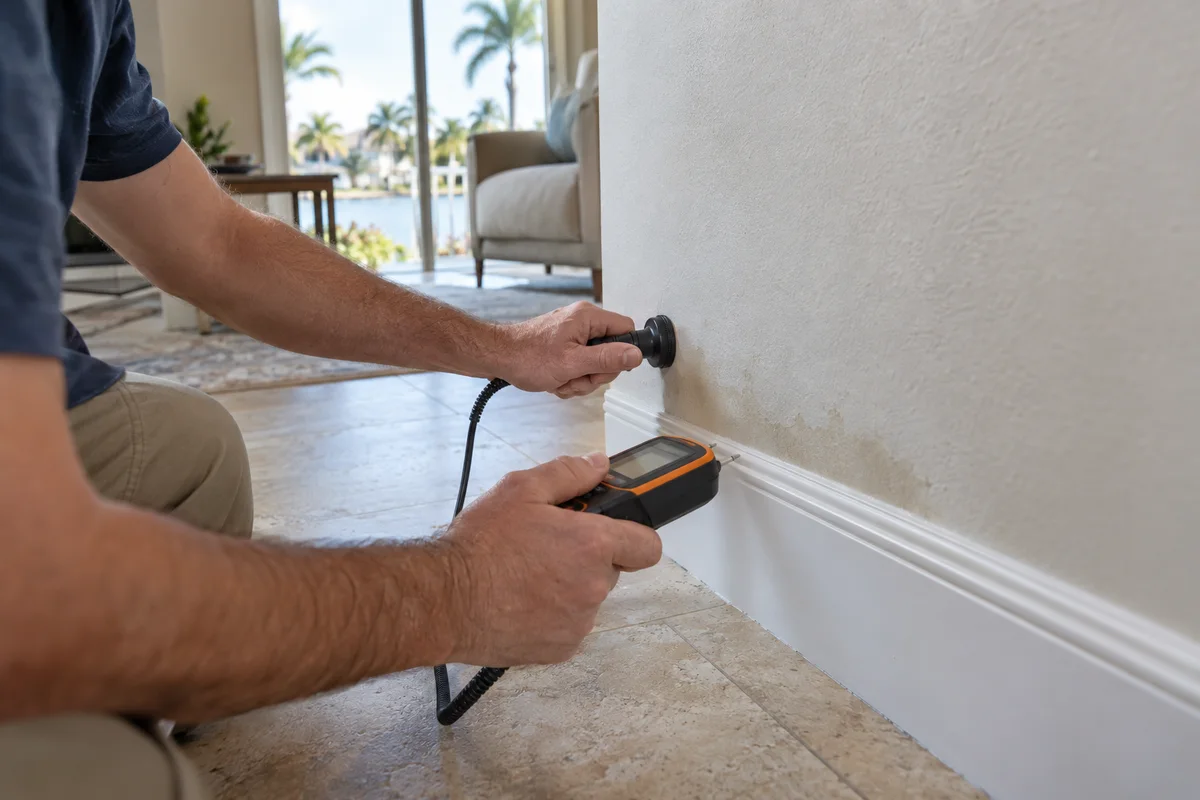
While waiting for service, make a brief note of when the issue began and which fixtures were in use. Photograph visible damage only from a safe area. Do not open walls or dismantle equipment to find the source; those steps can complicate the repair and create new hazards.
Emergency plumbing starts with clear location details
Give the street address and city early in the conversation. Include the unit number, building name, and the best entrance if access is complicated. A property description alone may be difficult to locate. Also identify the person who will meet the service provider and the number where that person can be reached.
For a seasonal property, explain whether anyone is onsite. A neighbor or caretaker may have useful information, but they may not have permission to approve work. Identify the authorized contact separately. If access depends on a lockbox, gate, or manager, coordinate those details through the scheduling conversation.
Supply leaks and drain backups need different responses
A supply leak releases incoming water. A drain backup involves water that cannot leave normally. Tell us which appears to be happening. For example, describe whether water escapes with every fixture off or rises in a tub when a toilet flushes. Those details help frame the problem.
Do not repeatedly operate fixtures to demonstrate an active overflow. Instead, describe what happened before you stopped using them. If the source is unclear, say so. A careful account is more helpful than a confident guess, especially when several rooms or another unit may be involved.
What to discuss during an emergency plumbing visit
Ask what can be addressed immediately and what may require a second stage. Access, parts, and concealed damage can affect the answer. A temporary measure and a completed repair are different outcomes. Make sure you understand which one is proposed and any limits on using the affected system afterward.
Also clarify which damage falls outside the plumbing scope. Drying, cleaning, flooring, or cabinet work may need separate coordination. A plumbing repair can stop a source without restoring everything the water affected. Keeping those responsibilities clear helps you plan the next steps with the right people.
Emergency plumbing in a shared building
Notify the appropriate building contact when a problem could affect shared lines or neighboring units. The manager may know the shutoff arrangement and access rules. Do not enter a restricted utility room or operate unfamiliar building controls. Ask the responsible person to coordinate access and system decisions.
For commercial properties, tell us what operations are affected. A closed restroom, unavailable kitchen sink, or leak near customer areas can change the priority of the conversation. Describe the actual impact without guessing at the cause. The visit can then be discussed in relation to the building’s needs.
After the immediate issue is controlled
Before returning a fixture to normal use, ask what checks or restrictions apply. You should understand whether the repair is complete and whether further investigation is recommended. Keep the service description and any photographs you took safely. They provide context if the same symptoms appear again.
Finally, discuss any follow up on its own merits. An urgent problem does not automatically justify replacing the entire system. Equally, a temporary restoration does not prove that the underlying concern is resolved. Ask for the evidence and the reason behind any proposed additional work before making that decision.
Also explain whether the affected room sits above another occupied space. Water appearing on a lower ceiling deserves clear communication with the property contact. Keep people away from visibly damaged areas and describe what you can observe safely. If the source is already isolated, say when that happened. This helps distinguish an active escape of water from moisture remaining after the flow stopped.
Common questions
Is emergency service available 24 hours a day?
Contact us to check current availability. Ask about the available scheduling window for your address and the work required.
What if all the drains are backing up?
Stop running water and avoid using toilets, showers, laundry, and dishwashing equipment until the issue is assessed. Keep clear of wastewater and tell us which fixtures backed up first.
Explore more plumbing help
Every home has different needs. These related pages can help you plan your next step.